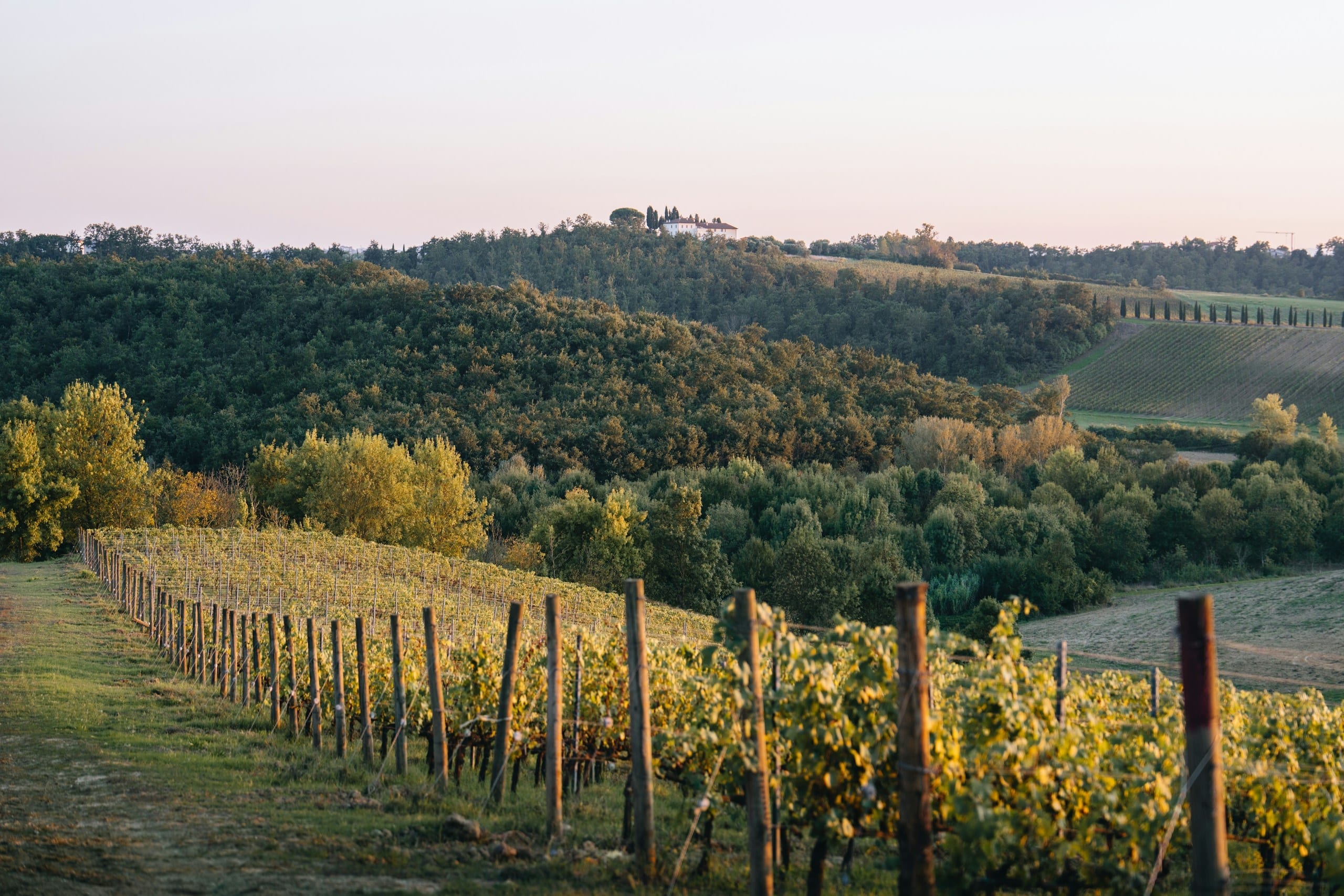
Dinner was whatever the farm had that week: a vegetable I couldn't name from the garden, cheese the family made, their own olive oil poured with the casual generosity of people who have a lot of it, and a jug of rough red wine from the vines I'd walked past on the way in. The grandmother kept refilling my plate and my glass and waving off my protests. I went to bed too full, slightly drunk, and happier than any room-service tray has ever made me. That's a farm stay. The land outside the window is on the table, and you are treated as family whether you like it or not.
The Italians have a word for it — agriturismo, lodging on a working agricultural property — but the idea exists everywhere: vineyards, olive groves, dairy farms, orchards, and smallholdings that rent out rooms and, crucially, feed you what they produce. It's one of the most rewarding ways to stay in the countryside, and one of the few that connects you directly to how a place actually lives and eats.
What it is, and who it suits
A farm stay is a room or small apartment on a property that earns its main living from the land. The defining feature is the food: at a proper one, meals are built around what the farm grows and makes, often served at a communal table or brought out in generous courses. Some are simple rooms in the family farmhouse; others are polished, almost boutique conversions of old barns with a pool. The good ones, whatever the comfort level, keep the farm at the centre.
It suits:
- Food lovers, obviously — you eat the real version of a region's cooking, made by people who grew it.
- Couples and families wanting a calm, rural base with space for kids to meet animals.
- Slow travellers happy to stay put for a few nights and explore outward.
It suits less well anyone without a car (most are rural and not walkable to anything), anyone who needs nightlife or city energy, and very light sleepers — farms are working places and they're noisy early. A rooster does not care about your holiday.
You can read about a region's food, or you can eat it at the table of the family that grew it. They are not the same trip.
What it's like
The rhythm is slow and tied to the land. Mornings start early and loud — animals, machinery, the family already working. Breakfast is usually included and made on site: fresh eggs, the farm's bread, jam from its fruit, honey from its hives. Days are yours to explore the area; evenings often centre on a big farmhouse dinner, sometimes optional and worth taking every time. You may be invited to see the animals, help with a harvest, watch cheese being made, or pick your own fruit, depending on the season and the place.
Comfort varies hugely, so set expectations by reading carefully. Some farm stays are rustic — simple rooms, shared spaces, basic plumbing. Others are seriously comfortable. The constant is the setting and the food, not the thread count.
Price, and how to book
- Simple rural farm rooms: roughly €60–110 a night, often with breakfast.
- Higher-end agriturismo (converted, with pool, fine cooking): €120–250+.
- Half board — adding the farm dinner — is usually a modest extra and almost always worth it. It's the whole reason you came.
Booking happens through agriturismo-specific directories, the big booking platforms, and direct with the farm (often the cheapest, and a friendly direct email tells you a lot about the welcome you'll get). In wine and olive regions, book well ahead for harvest season. Always check what's included — whether dinner is available, which nights, and whether you need to book meals in advance, since a remote farm can't always rustle up dinner on a whim.
What's around
The honest answer is "countryside, and you'll need a car to enjoy it." That's a feature, not a bug, if you want it — farm stays put you among vineyards, hills, and small towns away from the tourist centres, and make a brilliant base for exploring a region slowly. In southern Italy, a farm stay in the countryside around the cave town of Matera lets you pair the dramatic town with the quiet land it sits in. Wherever you are, expect to drive 15–40 minutes to the nearest proper restaurant or sight — which is exactly why the on-site dinner matters so much.
The human side
This is where farm stays shine and where they're most like the kind of hospitality you find in mountain villages — the same instinct that has Albanian guesthouse families pressing food on you as you leave. At a family-run farm you're not a guest in a transaction; you're a temporary member of a household that happens to take in travellers. Hosts share their food, their knowledge of the area, sometimes their table and their family. The relationship is the product. The trade-off is that this is their home and their livelihood, so you fit around the farm's rhythms, not the other way round.
The honest downsides
- You really do need a car. Without one, you're stranded.
- Remoteness cuts both ways — peaceful, but far from everything.
- Early noise and the realities of a working farm (smells, mud, animals).
- Variable comfort and standards, more than a hotel. Read the middling reviews, as with choosing any small place.
- Language barriers at the more rural, family-run spots — usually charming, occasionally inconvenient.
Is it worth it?
If you have a car and a few days to slow down, absolutely. A farm stay feeds you the truest version of a region's food, sets you in beautiful working countryside, and connects you to a family and a way of life you'd otherwise only drive past. Take the half board, book ahead in harvest season, lower your expectations about plumbing and raise them about dinner, and accept the rooster as part of the deal.
For the same hospitality-first spirit in a wilder, higher setting, see sleeping in mountain huts. More places to stay on the stays page.