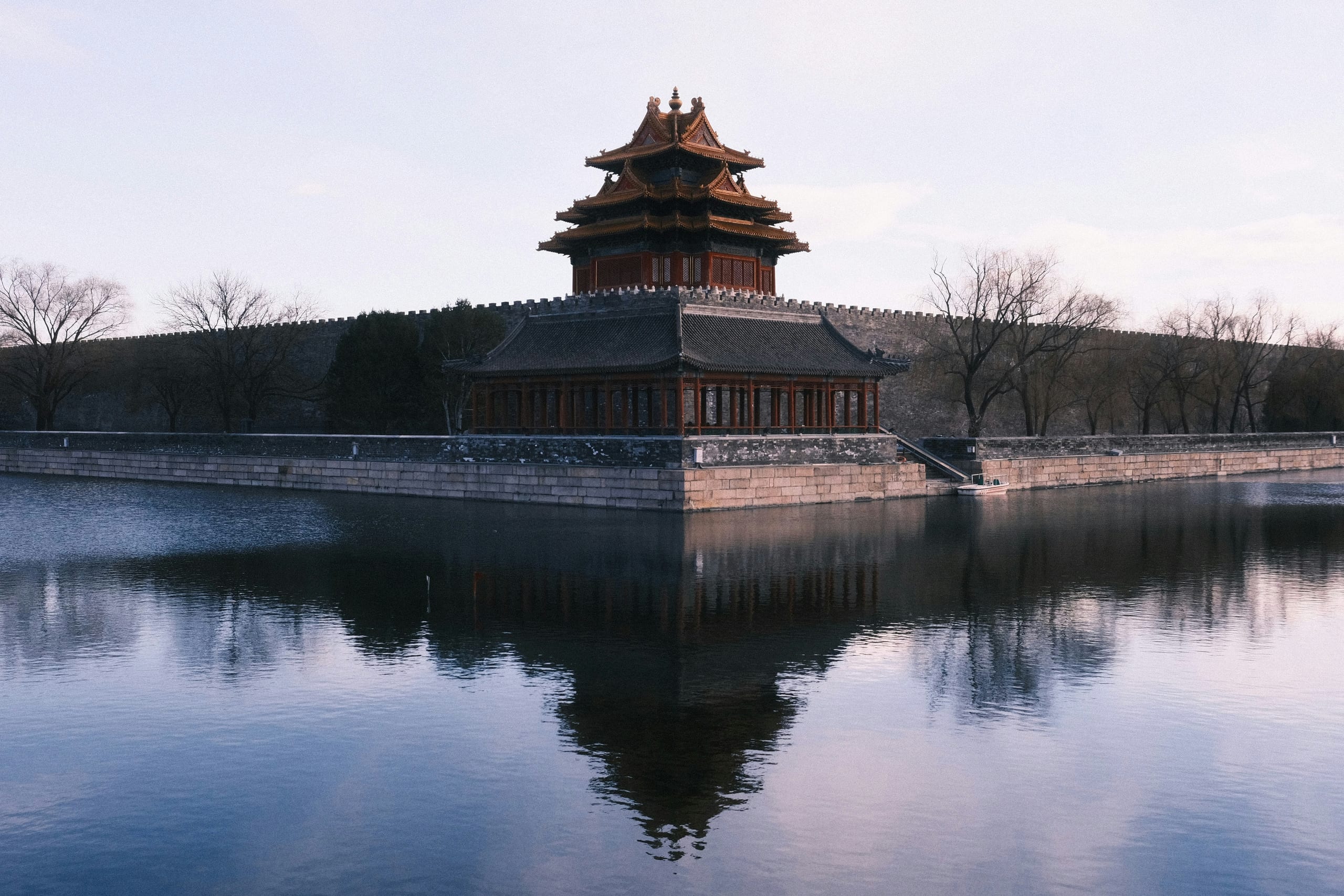
The security guard at the Forbidden City waved me through the wrong gate, and for twenty minutes I walked alone through courtyards that the guidebooks never mention because they are empty. No red-lacquer selfie backdrop, no English audio tour, just grey paving stones and the smell of old varnish. Then I hit the main axis and the crowd hit me back: tour flags, matching caps, a river of people moving north through gate after gate like a civic drill. That swing, from silence to mass, is Beijing in miniature. The city is built to impress you at scale and then, if you let it, show you something smaller.
Beijing is China's capital in every sense that matters politically and historically: roughly 22 million people in the municipality, six UNESCO World Heritage sites within an hour's travel, and a skyline that alternates between imperial low-rise and glass towers that look like they were ordered from a catalogue. Most first-time visitors treat it as a checklist — Forbidden City, Great Wall, Temple of Heaven, done. That works, sort of. You will see the things on the poster. You will also miss the city if you move at poster speed, and you will come home with the wrong Great Wall story if you let a bus company pick your section for you.
I am not going to tell you to skip Beijing. I wrote the opposite about Chongqing, and I stand by that for a certain kind of traveller. But Beijing earns its place for a different reason: it is the spine of Chinese history as the country presents it to itself, and understanding that presentation — what is preserved, what is rebuilt, what is bulldozed — is worth a trip even when the air is grey and the queues are long.
What it actually is
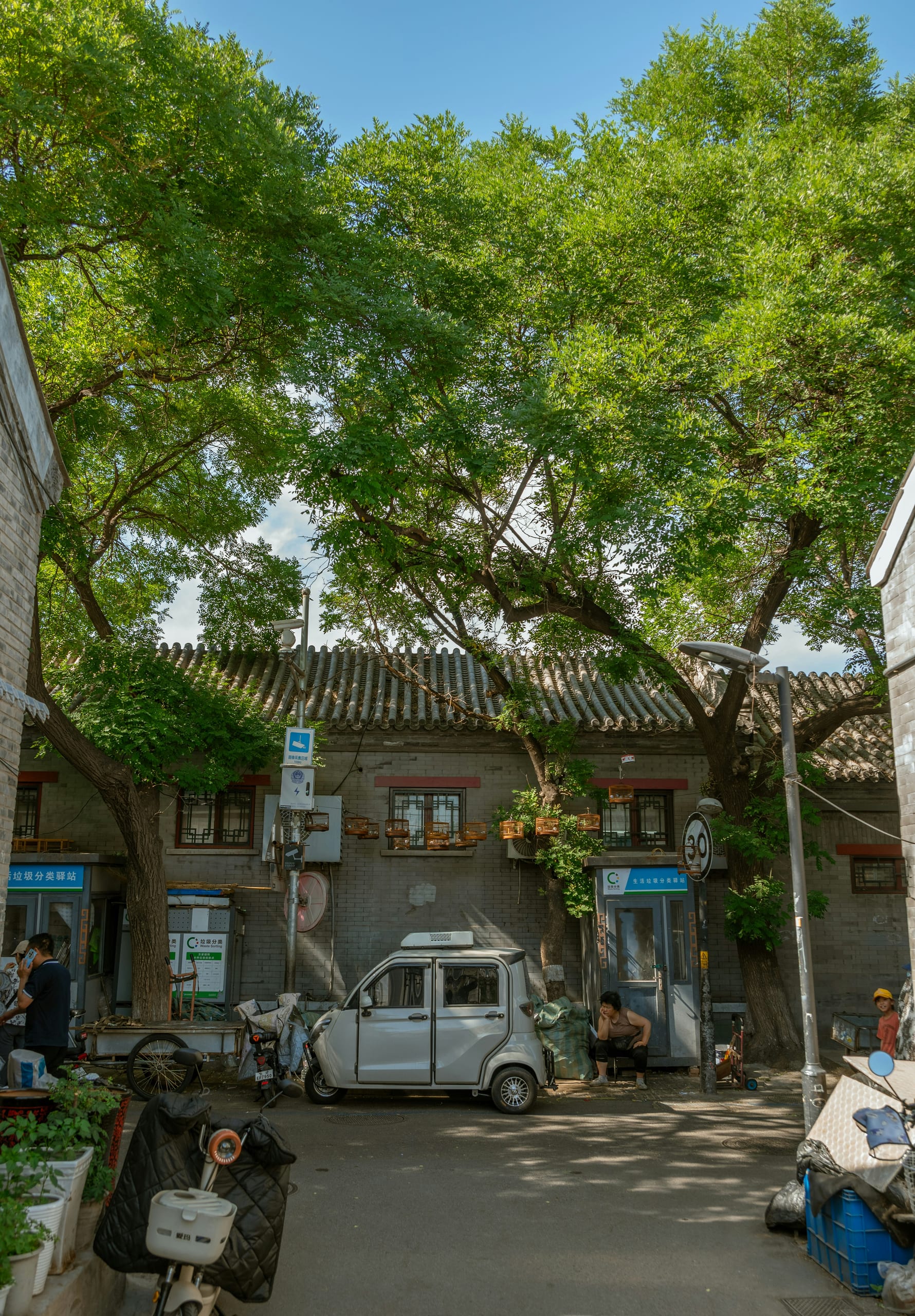
Forget the word "timeless." Beijing is aggressively edited. The hutong alleyways that foreigners romanticise are a shrinking fraction of the centre; whole neighbourhoods have been cleared for widened roads and replica facades. What remains is real enough — grey brick, shared courtyard toilets, old men in pyjamas playing chess on folding stools — but you are looking at the survivors of a decades-long urban plan, not an untouched old town.
The useful mental model is two cities stacked. Imperial Beijing runs on a north-south axis from the Forbidden City through Tiananmen Square to the Temple of Heaven, with parks and lakes on either side. Working Beijing lives in the hutongs, the wet markets, the noodle shops that open at six, the ring-road traffic that never quite sleeps. The tourist circuit stays on the first layer. The second layer is where a four-day trip becomes interesting.
English is less common than in Shanghai. Cash is rare; WeChat Pay and Alipay dominate, and foreigners can now link some international cards, but setup before you land saves an hour at a dumpling counter. The metro is excellent and cheap (¥3–7 per ride). Taxis and Didi are affordable; have your destination in Chinese characters, not pinyin.
The sights, ranked by what they actually deliver
The Forbidden City (Palace Museum). Yes, you should go. It is not a intimate palace; it is a compound of nearly 1,000 buildings that functioned as the ceremonial heart of two dynasties, and it feels like one long procession. Book a timed entry ticket in advance on the Palace Museum website or through authorised resellers; walk-in capacity is limited and summer sells out. Enter from the south (Meridian Gate), exit north to Jingshan Park if your legs allow.
The mistake is treating it like a photo gallery. Pick a route, accept that most rooms are roped off, and go early — gates open around 8:30, and the difference between 9 a.m. and 11 a.m. is several thousand people.
Jingshan Park, immediately north of the Forbidden City. A small hill made from excavated palace moat spoil, and the best ¥2 (about €0.25) you will spend. Climb to Wanchun Pavilion at late afternoon for a view over the golden rooftops toward the modern CBD beyond. On a clear day you see the whole imperial grid laid out like a model. On a smoggy day you see why locals check the AQI before making plans.
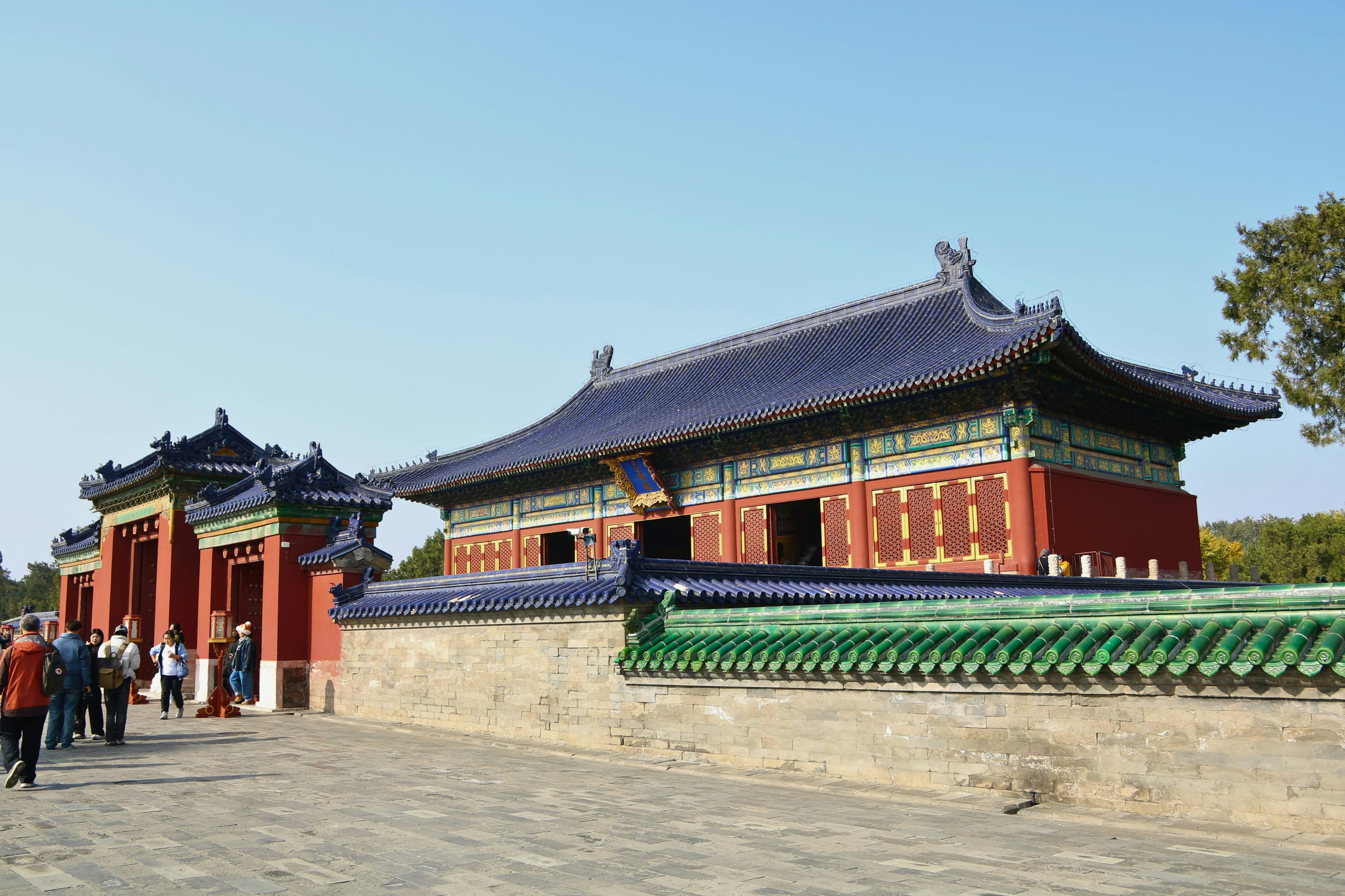
The Temple of Heaven. Not a single temple but a park where the emperor once prayed for harvests. The circular Hall of Prayer for Good Harvests is the postcard; the long cypress alleys and older local exercisers (sword forms, bird cages, vigorous walking) are the reason to stay longer than an hour. Go on a weekday morning if you can. The ticket is separate from the inner hall; both are worth it.
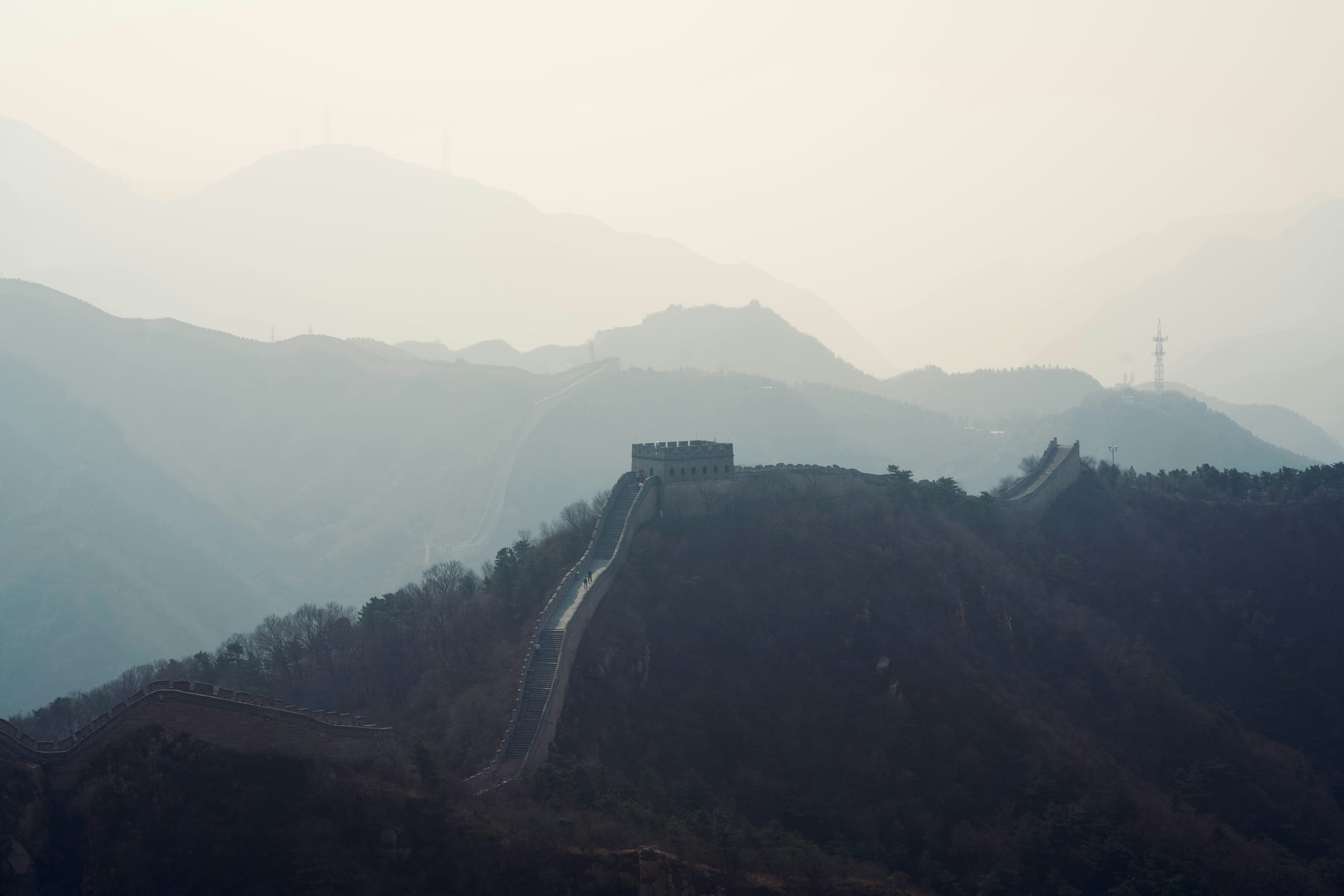
The Great Wall — and this is where people get it wrong. Badaling is closest and most restored, which means closest and most packed. Mutianyu is a sane compromise: good condition, cable car optional, still touristy but manageable midweek. Jinshanling and Simatai reward hikers with crumblier stones and fewer stalls selling identical T-shirts. I went to Mutianyu on a Tuesday in October; the maple trees in the valleys had turned, and I passed maybe one group every five minutes on the western stretch.
Budget a full day — 90 minutes each way from the city centre, plus three hours on the stones. Wear grippy shoes; the steps are irregular and steep.
What I would deprioritise: Wangfujing snack street (overpriced and theatrical), the Olympic Bird's Nest unless you care about stadium architecture, and any "hutong tour" in a rickshaw driven by someone who stops at a tea shop where your credit card learns new limits. Walk hutongs on foot. Nanluoguxiang is pretty and sold out to bubble tea; the lanes branching off it, and areas like Dongsi or Yangmeizhu Xiejie, still have laundry lines and corner stores.
Beijing rewards the person who gets up before the bus tours. The same wall at noon is a queue. At 8 a.m. it is geology with battlements.
Food that is not only Peking duck
Peking duck is worth doing once. Quanjude is the famous chain; Da Dong and smaller neighbourhood roasters often do better for similar money (¥150–250 per person). Order half a duck if there are two of you.
The daily eating is better and cheaper. Jianbing from a street cart is breakfast for ¥8–12. Zhajiangmian, noodles with fermented bean paste, is blunt and filling. Hot pot here tends toward copper pot and lamb rather than Chongqing's chili oil inferno. Look for places with laminated menus and no English; point at what the next table has.
When to go, and what it costs
Spring (April–May) and autumn (September–October) are the windows. April can bring sandstorms; October brings clear light and National Day crowds in the first week — avoid 1–7 October if you can. Summer is hot and humid; winter is cold, dry, and empty at the major sites, which has its own appeal if you pack layers.
Air quality is the variable no brochure emphasises. Check the AQI daily; under 100 is workable, over 150 and I would move plans indoors or to the wall outside the city.
Mid-range daily budget: ¥400–700 (€50–90) covers a decent hotel, metro and occasional taxi, meals, and one major ticketed site. Beijing is pricier than western China — compare Dunhuang at half the daily spend — but still good value against Western Europe.
Stay four full days minimum: one for the imperial axis, one for the wall, one for hutongs and a lake, one buffer for weather. Getting there: Capital (PEK) and Daxing (PKX) airports both connect by metro. High-speed rail links Shanghai in about 4.5 hours.
The problems
Crowds at the headline sites are real, especially weekends and Chinese public holidays. Scams exist — unlicensed drivers at the airport, tea ceremonies with four-figure bills. Use official taxis or Didi; walk away from pressure.
The city is spread out. Distances that look walkable on a map are often separated by eight-lane roads. Some hutongs are poverty dressed up as heritage; some "restored" blocks are shopping malls with grey brick skin. The honest version of old Beijing is disappearing, and you will feel that if you spend time in the alleys rather than only at the gates.
Beijing vs the China you might want instead
If you want raw urban intensity and food that hurts, I would still send you to Chongqing first. If you want desert and Buddhist art at the edge of the map, go to Gansu. Beijing is the capital in the textbook sense: monuments, museums, the narrative of empire. That is exactly why it belongs on a first China itinerary and why it frustrates people who wanted something stranger.
It has little in common with the slow rhythm of Porto or the temple quiet of Kyoto in shoulder season. Treat it like a city that expects you to show up early, and it opens up.
Is it worth it?
Yes — for a first visit to China, for anyone who cares about history as built environment rather than museum labels, and for travellers who can tolerate crowds at one site in exchange for solitude at the next. No — if you hate organised tourism, need pristine air, or want China to feel undiscovered. Beijing is many things; undiscovered is not one of them.
Go in autumn if you can. Book the Forbidden City before you pack. Pick your wall section deliberately. Spend an hour in a hutong with no shop you recognise. Eat something from a cart. Climb Jingshan at dusk and watch the city turn on its lights. More cities and regions on the destinations page.