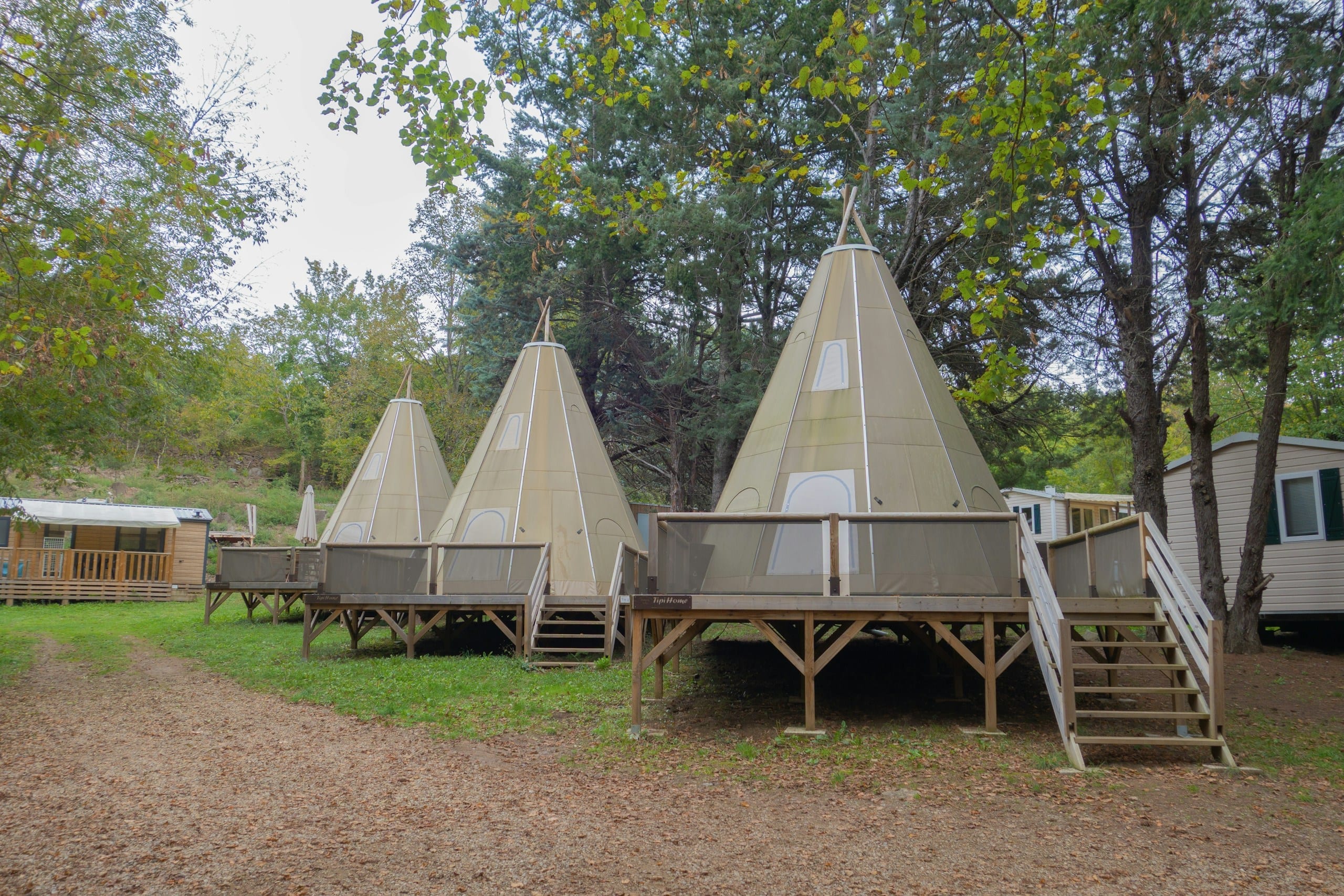
I woke to the sound of something large breathing outside the canvas, lay rigid for a moment working through the possibilities, and eventually decided it was a horse. (It was a horse.) That's the deal with a good tented camp: you're separated from the actual wild by a layer of fabric and a raised wooden floor, you sleep in a proper bed under real blankets, and yet you're close enough to the outside that the night gets in — the sounds, the cold air, the enormous quiet. It's the most nature I can take while still sleeping well, and I've come to love it.
This is a broad category, so let me draw the lines. At one end, tented camps — semi-permanent canvas tents kitted out with beds, rugs, sometimes an en-suite bathroom, set up in wild or scenic places. At the other, eco-lodges — small, low-impact buildings (cabins, huts, domes) designed to tread lightly, often off-grid on solar and rainwater, in places worth protecting. "Glamping" is the marketing word that's been stapled across all of it. The thread connecting them: deep immersion in a landscape, with far more comfort than a sleeping mat on the ground.
What it is, and who it suits
The pitch is simple — sleep in the wilderness without the misery of actual camping. No tent to pitch in the rain, no aching back, no cold dinner from a can. Instead a made bed, a hot meal, often a host who knows the land, and a front-row seat to a place most hotels can't reach.
It suits:
- People who love nature but not discomfort — the large middle ground between a five-star hotel and a one-star ground sheet.
- Wildlife watchers. Camps in wild areas put you where the animals are at dawn and dusk. Bring a pair of binoculars and use them.
- Couples and special occasions, since the better ones lean romantic and the settings do half the work.
It suits less well anyone who needs total reliability and climate control, travellers on a tight budget at the safari end of the market, and people who genuinely can't cope with insects, weather, or the occasional breathing horse.
You're paying for the location and the wildness, delivered with a real bed. The luxury is where it is, not what it's made of.
What it's like
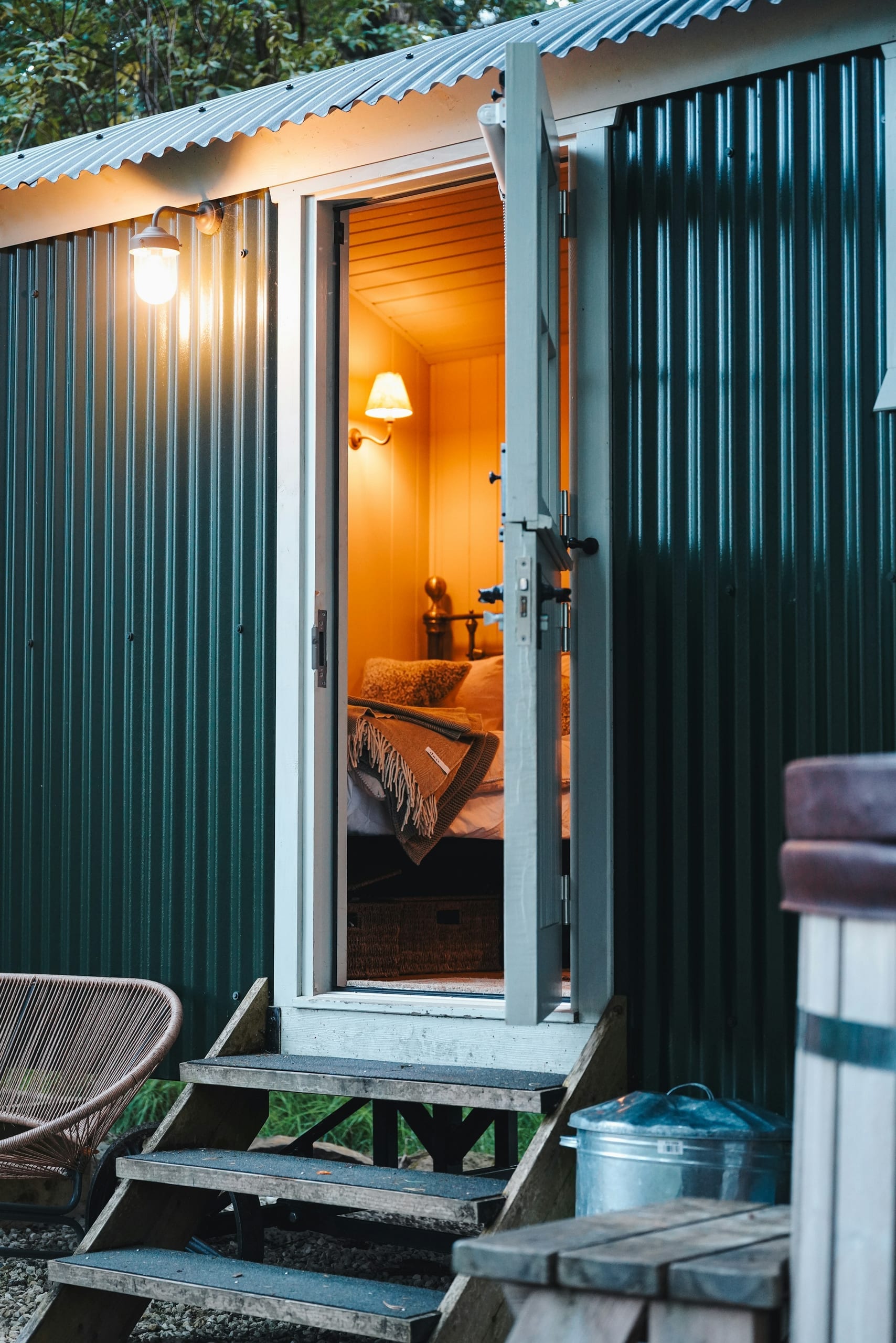
Hugely variable, which is the thing to understand before you book. A tented camp can mean anything from a basic canvas tent with a camp bed and a shared bush shower, to a vast safari suite with a roll-top bath and a private deck. An eco-lodge might be a rustic solar-powered cabin or a design-magazine dome. Read the listing like a detective and work out which end you're booking, because the word "glamping" covers all of it and tells you nothing.
The constants: you're off the beaten track, often off-grid (limited or scheduled electricity, no air conditioning, water you're asked to use sparingly), meals are usually on site because there's nowhere else, and the day runs on nature's clock — early starts for wildlife, dark, starry nights with no light pollution. The trade-offs of comfort are exactly the things that make it special.
Price, and how to book
This category spans an enormous range:
- Simple glamping (a kitted-out tent or pod near a farm, coast, or forest): roughly €60–150 a night.
- Mid-range eco-lodges and comfortable tented camps: €150–350.
- High-end safari camps and remote luxury lodges: €400 to well into four figures, often all-inclusive with activities and guides — a different kind of trip and budget entirely.
Book through specialist eco-travel and glamping sites, the wider booking platforms for the simpler end, and direct or via operators for safari camps. For remote and off-grid places, confirm the practicalities before you pay: how you actually get there (some need a transfer or a 4x4), whether meals are included and provided (you can't pop to a shop), what the electricity and water situation is, and the cancellation terms, which can be strict for small operators.
What's around
By definition, nature — that's what you came for and usually all there is. Tented camps and eco-lodges sit in national parks, deserts, forests, coastlines, and reserves, deliberately away from towns. That means the "what to do" is the landscape itself: guided wildlife walks, kayaking, stargazing, swimming, sitting still and watching. It also means you commit to being there — this is not a base for popping into a city. Treat it as a destination, not a launchpad.
The human and service side
At the better small camps and lodges, the hosts and guides are the difference. They read the land, find the animals, cook the dinner, and tell you what you're looking at. Their knowledge is most of what you're paying for, and a good guide can turn a quiet day into the highlight of a trip. At the simpler glamping end, service is lighter and more self-catered — closer to camping with the hard parts removed. Match your expectations to the price tier.
The honest downsides
- Weather and wildlife get in. Rain on canvas is loud; cold nights are cold; insects exist. This is the experience, not a fault, but know it.
- Cost, at the upper end, can be eye-watering for what is technically a tent.
- Off-grid limits — patchy power, no AC, careful water use, weak or no signal.
- Big variability between "glamping" places. The word is doing a lot of unearned work; verify everything.
- Access can be a faff — transfers, rough roads, no nipping out once you're there.
Is it worth it?
For getting properly into a wild place without surrendering a good night's sleep, yes — it's one of my favourite ways to stay, and the settings deliver memories that four ordinary walls never will. The keys are reading the listing carefully so you know which comfort tier you're actually booking, confirming the off-grid practicalities in advance, and choosing it when nature is the trip rather than a side dish.
If you'd rather have your wilderness completely free and are equipped for it, much of Scandinavia allows wild camping under right-to-roam laws, as in Lofoten — the rawest end of this same idea. And for shelter in high places with company and a hot dinner, there's always the mountain hut. More rooms, tents, and bunks worth seeking out on the stays page.