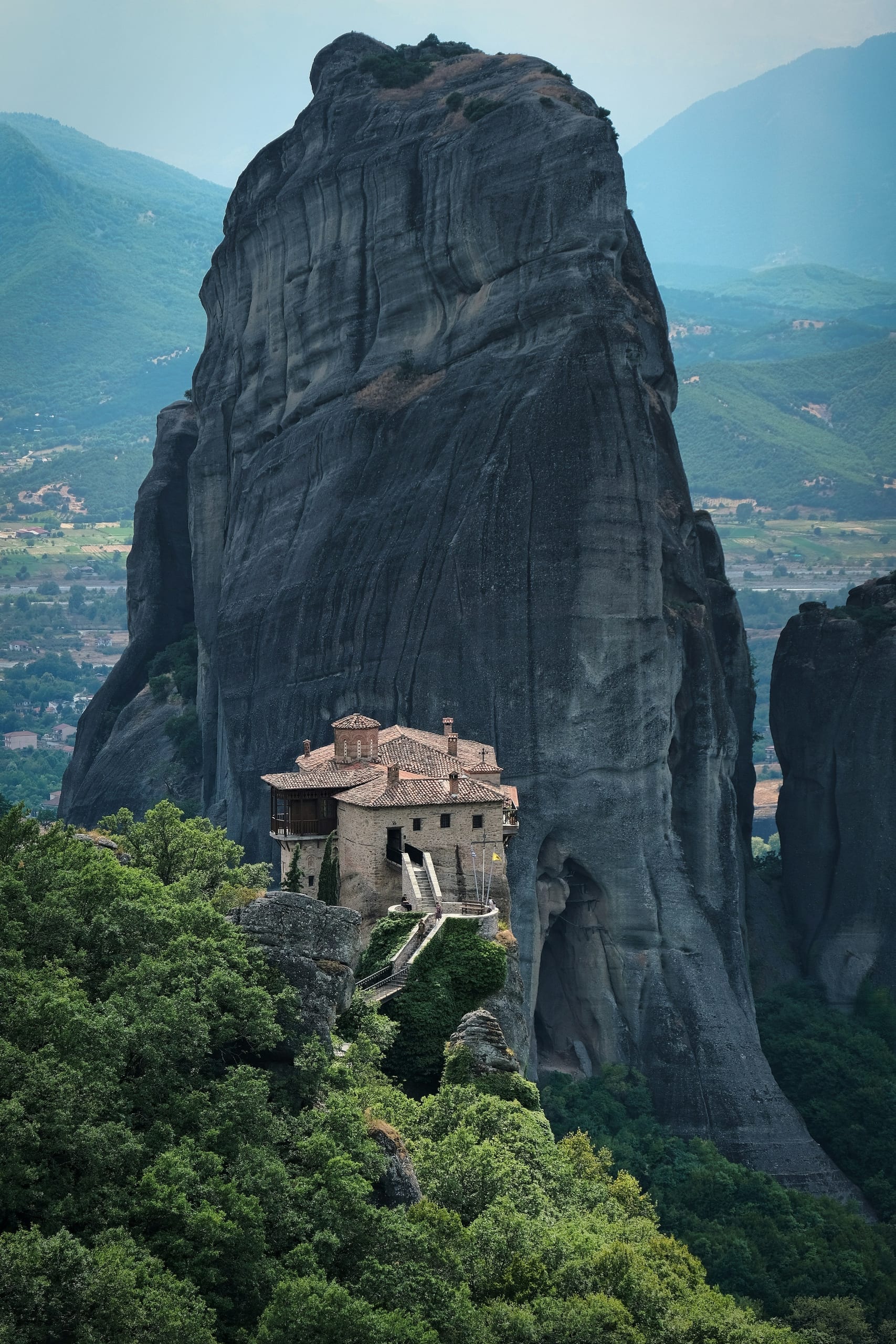
A bell woke me at five in the morning in a wooden room with no lock on the door, a thin futon on the floor, and a single scroll on the wall. For a confused few seconds I had no idea where I was. Then I remembered: I was a guest in a monastery, the bell meant the monks were already at it, and breakfast — should I want it — came after the chanting. I lay there listening to a sound that has woken people in that building for several hundred years, and felt about as far from a hotel as it's possible to be while still indoors.
You can sleep in a working monastery in a surprising number of places — Buddhist temples in Japan, Catholic monasteries and convents across Italy, Spain, and France, Orthodox monasteries in Greece and Georgia. These aren't museums or theme stays. They're communities of monks or nuns who, often for centuries, have taken in travellers as part of their idea of hospitality. You don't need to be religious to stay. You do need to respect that you're a guest in someone's spiritual home, not a customer.
What it is, and who it suits
The arrangement varies but the shape is consistent: a simple guest room (sometimes a private cell, sometimes a shared dorm), plain meals taken with or near the community, and a daily rhythm built around prayer and silence rather than service and convenience. In Japan this is shukubo, temple lodging, often with a vegetarian shojin ryori dinner and optional morning meditation. In Europe it might be a guesthouse wing run by the monks, with set mealtimes and a firm curfew.
It suits travellers who want quiet, who are curious about a way of life very unlike their own, and who are travelling on a budget. It does not suit anyone wanting nightlife, late nights, drinking on site, a lie-in, or a place to base a party. The whole value is the peace and the structure, and you take both or neither.
You're not booking a room. You're being allowed, briefly, into someone else's centuries-old routine. Behave accordingly and it's extraordinary.
What it's actually like
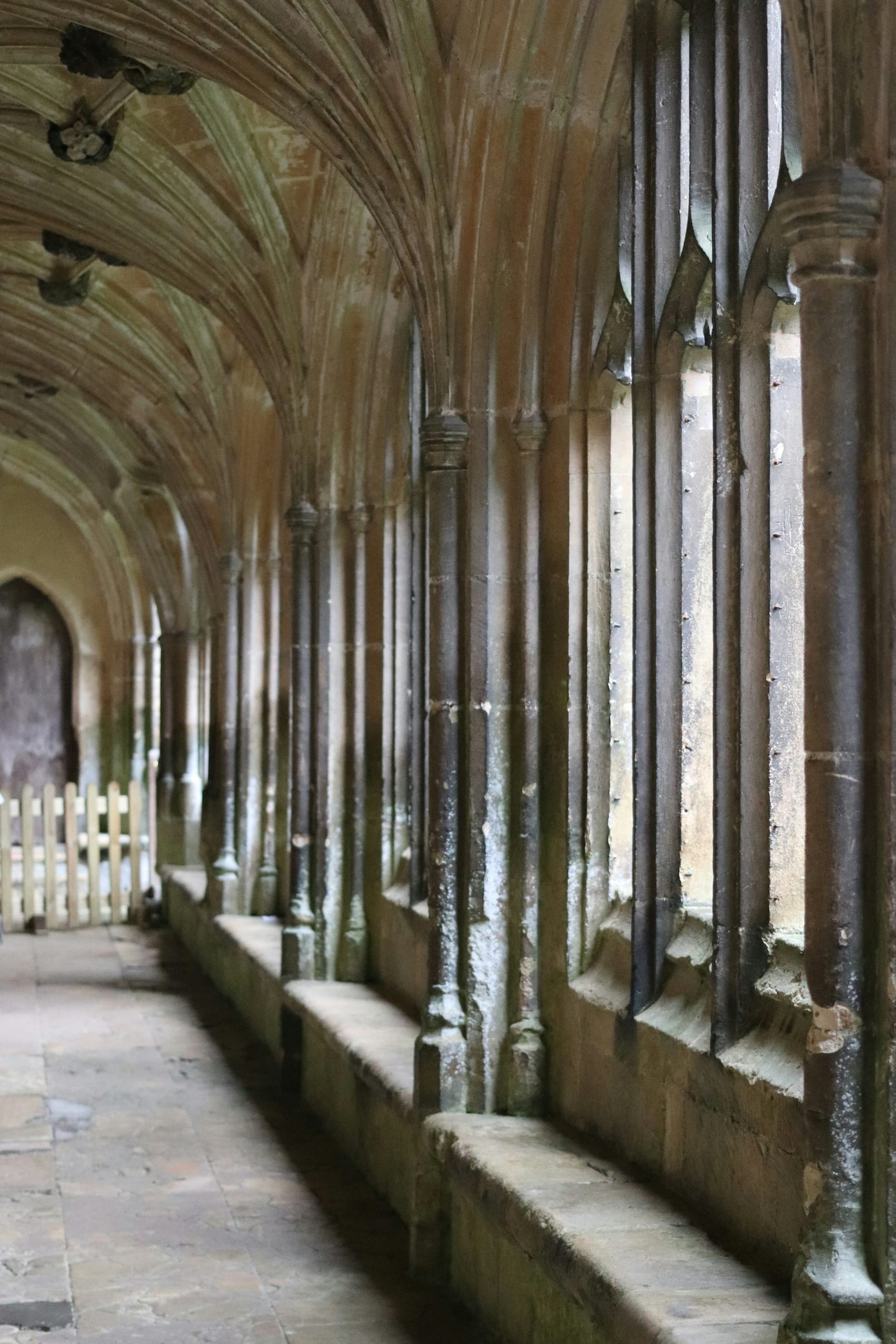
Plain, calm, and a little disorienting at first. Rooms are spare — a bed or futon, maybe a desk and a crucifix or a scroll, often a shared bathroom down the hall. Meals are simple and often eaten in silence or with minimal talk; in many places the food is vegetarian and genuinely good in an honest, unfussy way. There's usually a curfew — doors lock at nine or ten — and an early start whether you join the dawn prayers or not, because the building wakes up around you.
You may be invited to attend services or meditation; you're rarely required to, and a polite, quiet presence is welcome even if you don't share the faith. Phones off or silent, modest dress, low voices. The constraints are the experience. After a day or two, the lack of noise and choice starts to feel less like a restriction and more like a relief.
Price, and how to book
This is some of the best-value lodging anywhere, partly because profit isn't the point.
- Many European monasteries charge a modest fixed rate (roughly €30–60 per person, sometimes with meals) or ask for a donation at your discretion.
- Japanese shukubo are pricier, more like a traditional inn — often €70–150 with an elaborate dinner and breakfast — because they're set up for guests and the food is a production.
Booking is often refreshingly analogue. Some monasteries take email or phone reservations directly; others list on the usual booking sites or through religious-tourism associations. For Japanese temple lodging, the temple towns (Mount Kōya near Kyoto is the famous one) have central booking offices that make it easy. Expect slower replies and fewer guarantees than a hotel — write politely, confirm clearly, and check whether meals and curfew times suit you before you commit.
What's around
Monasteries tend to sit in deliberately good places — hilltops, forests, old town centres, clifftops — because contemplation and a view go together, and because they were often built on the quiet edges of things. That makes them excellent bases for walking and for early-morning exploring before the day-trippers arrive. In Georgia, hilltop monasteries dot the country and some in the mountains near Kazbegi take guests; in Greece and Italy, monastery stays put you in walkable old quarters or out in silent countryside.
The human and service side
There is no "service" in the hotel sense, and that's the point — nobody is performing hospitality at you for a tip. Instead there's something quieter and, I think, deeper: a monk or nun who shows you to your room, explains the rhythm of the house, and treats your presence as a small part of their practice. The interactions are brief but unusually genuine. The flip side is that if something's wrong with your room, there may be no one to fix it and no expectation that there should be. You adapt; you don't complain.
The honest downsides
- Rules and curfew. Early lock-up, early rise, modest dress, quiet throughout. Freedom is not on the menu.
- Basic comfort. Hard beds, shared bathrooms, sometimes no heating to speak of.
- Single-sex restrictions at some monasteries — couples may be split, or one sex only admitted. Check first.
- Limited or no English in remote houses.
- It can feel intrusive if you treat it as a novelty rather than a privilege. Don't photograph monks at prayer, don't wander into private areas, don't be the loud guest.
Is it worth it?
For the right traveller, deeply. A monastery night is cheap, sits in a beautiful place, and offers a kind of stillness that's almost impossible to buy elsewhere — no television, no upsell, no noise, just an old building doing what it has done for centuries with you quietly along for one night of it. Go in respectful and unhurried, follow the house rules without sulking, and let the silence do its work.
If you want shelter and simplicity but with company and a hot meal at altitude instead of solitude, a bunk in a mountain hut scratches a related itch. More rooms worth seeking out on the stays page.