The man pouring my wine had made it himself, in a clay vessel buried in his courtyard, the way his family has done for longer than anyone can document — and he was insulted, gently but firmly, when I tried to pay for the third glass. This was a guesthouse in Tbilisi, not a restaurant, and I had wandered in for a room. I left three hours later having eaten a full lunch I hadn't ordered and learned the word gaumarjos (cheers, roughly: victory). Georgia does this. You arrive as a customer and get treated as a guest, which is a different and older thing.
Georgia sits at the seam of Europe and Asia, south of Russia, in the Caucasus. It has its own alphabet, a language related to nothing nearby, an 8,000-year wine tradition that UNESCO recognises as the oldest in the world, and a national habit of feeding visitors until they surrender. It is also one of the best-value destinations I know — your money goes about three times as far as it would in Western Europe — and it pairs a genuinely characterful capital with serious mountains a half-day away.
Tbilisi: a city that doesn't match itself
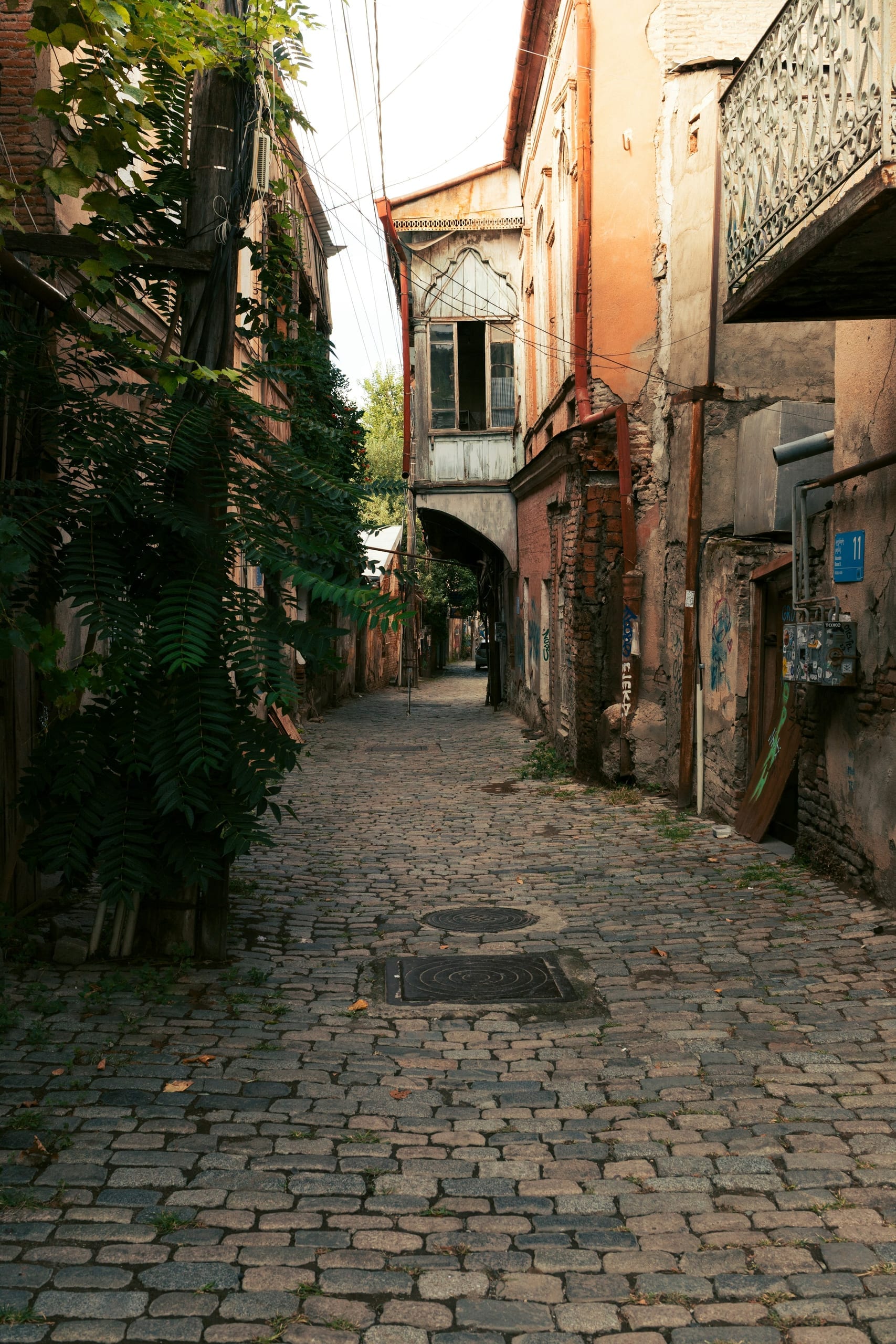
The pleasure of Tbilisi is that nothing agrees with anything else. The Old Town is carved wooden balconies sagging over cobbled lanes, half of them held up by what looks like optimism. Around the corner is a Persian-style bathhouse district, then a Soviet concrete slab, then a swooping glass bridge some architect was clearly very pleased with. It shouldn't work as a city and somehow does.
- Abanotubani, the sulphur baths. Domed brick bathhouses sitting over natural hot springs that smell faintly of eggs and feel wonderful. Pay for a private room and a kisi scrub from an attendant who will exfoliate you within an inch of your life. Cheap, and a local ritual, not a tourist invention.
- Narikala fortress and the ridge above it. Walk or take the cable car up for the view over the tin roofs of the old town. Keep walking the ridge and the crowds thin instantly.
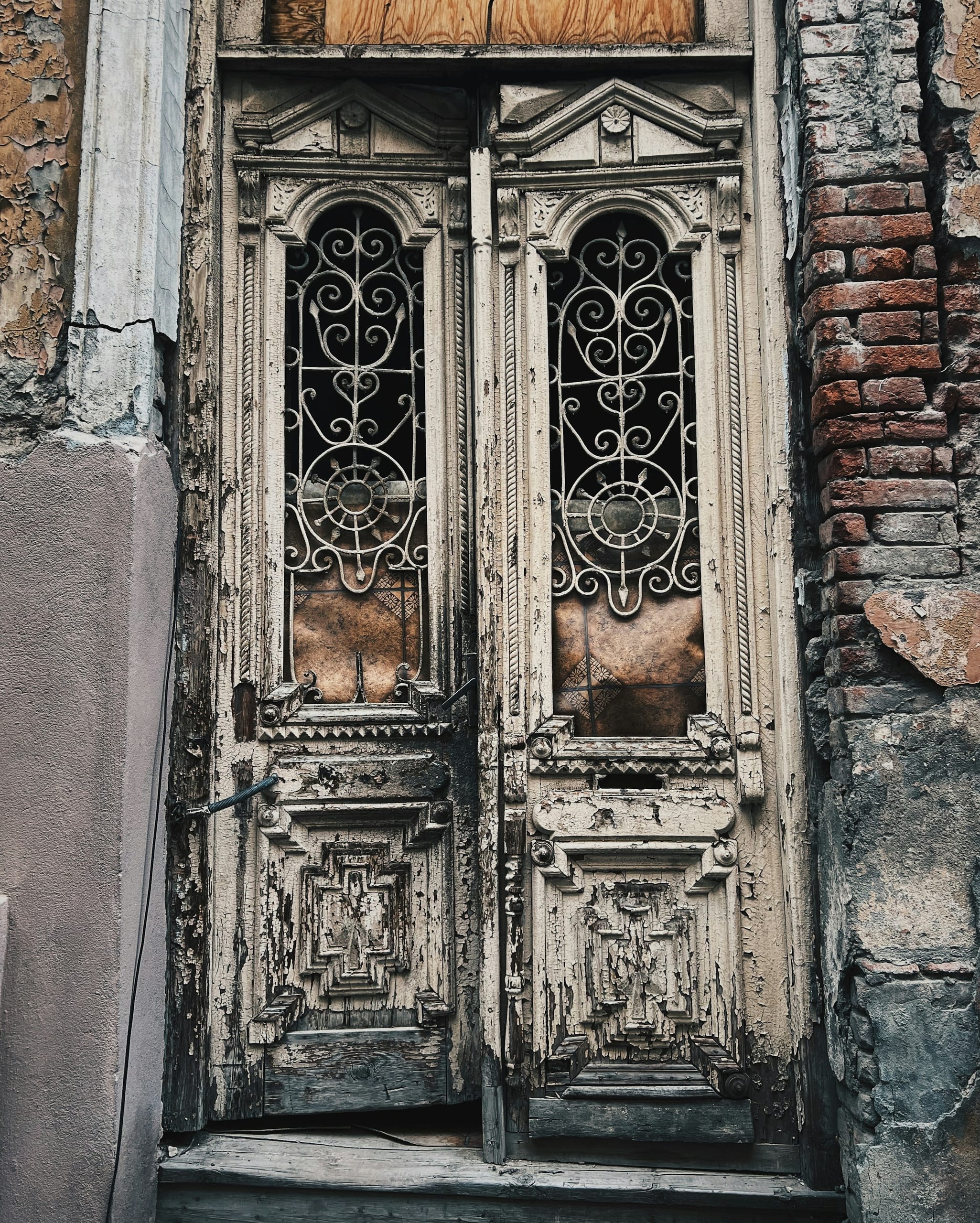
- Just walking the Old Town and Sololaki. Push on the door of any old apartment block — many aren't locked — and find tiled Art Nouveau entryways and spiral staircases that have seen better centuries.
But the real reason to be in Tbilisi is to eat and drink. A supra, the Georgian feast, is the centre of the culture: khinkali (soup dumplings you eat by hand, and never the little knotted top), khachapuri (a boat of bread filled with cheese and a runny egg — order the Adjarian one once and regret nothing), grilled meats, walnut everything, and the amber wine that comes from those buried clay qvevri.
The wine is the colour of weak tea and tastes like nothing in a supermarket. Drink it where it was made, with people who made it.
The mountains behind the city
Three hours north of Tbilisi, up the Georgian Military Highway, is the village of Stepantsminda — most people still call it Kazbegi. You go for one view, and it earns the trip: the small medieval Gergeti Trinity Church standing alone on a green hill, with the glaciated cone of Mount Kazbek (5,047 m) rising behind it. It is the image of Georgia, and unlike a lot of famous views, it's better in person.
You can walk up to the church from the village in an hour or so, or take a battered 4x4 if your knees object. From there, walkers can push on toward the Gergeti glacier and the high meadows. This is real mountain terrain — bring layers, a set of trekking poles for the loose descents, and respect for how fast the weather turns at altitude.
Getting there is half the experience. The standard way is the marshrutka, a shared minibus that leaves Tbilisi's Didube station when full, costs a few euros, and is driven with a commitment to overtaking that you will remember. Hire a car and driver for the day if you'd rather see the roadside monasteries and the surreal Soviet friendship mosaic along the way.
Georgia's mountains are stitched with monasteries, many still working, and some in the highlands offer a bed in a monastery guesthouse if you want a quieter night. In the trekking regions further west — Svaneti, Tusheti — you'll also find simple guesthouses and huts that run on much the same hospitality you met in the city.
When to go
- Tbilisi: spring (April–June) and autumn (September–October) are ideal — warm but not the furnace that July and August can be in the lowlands.
- The mountains: roughly mid-June to late September. The Kazbegi road can close with snow outside that window, and the high trails aren't safe until summer.
- Autumn has a bonus: rtveli, the grape harvest, when the whole country is making wine and you may well get pulled into it.
Is it worth it?
Very. Georgia gives you a real, unpolished capital, mountains that rival the Alps, food worth flying for, and prices that feel like a mistake — all in one compact, friendly, slightly chaotic country. The catch is exactly that lack of polish: roads are rough, the driving is alarming, English thins out fast in the countryside, and infrastructure can be patchy. If that reads as adventure to you, go now, before it changes. If you need everything smooth and predictable, it'll fray your nerves.
For me it was one of the warmest, best-value trips I've taken. Go hungry, learn to toast, and say yes to the third glass. More countries and regions on the destinations page.