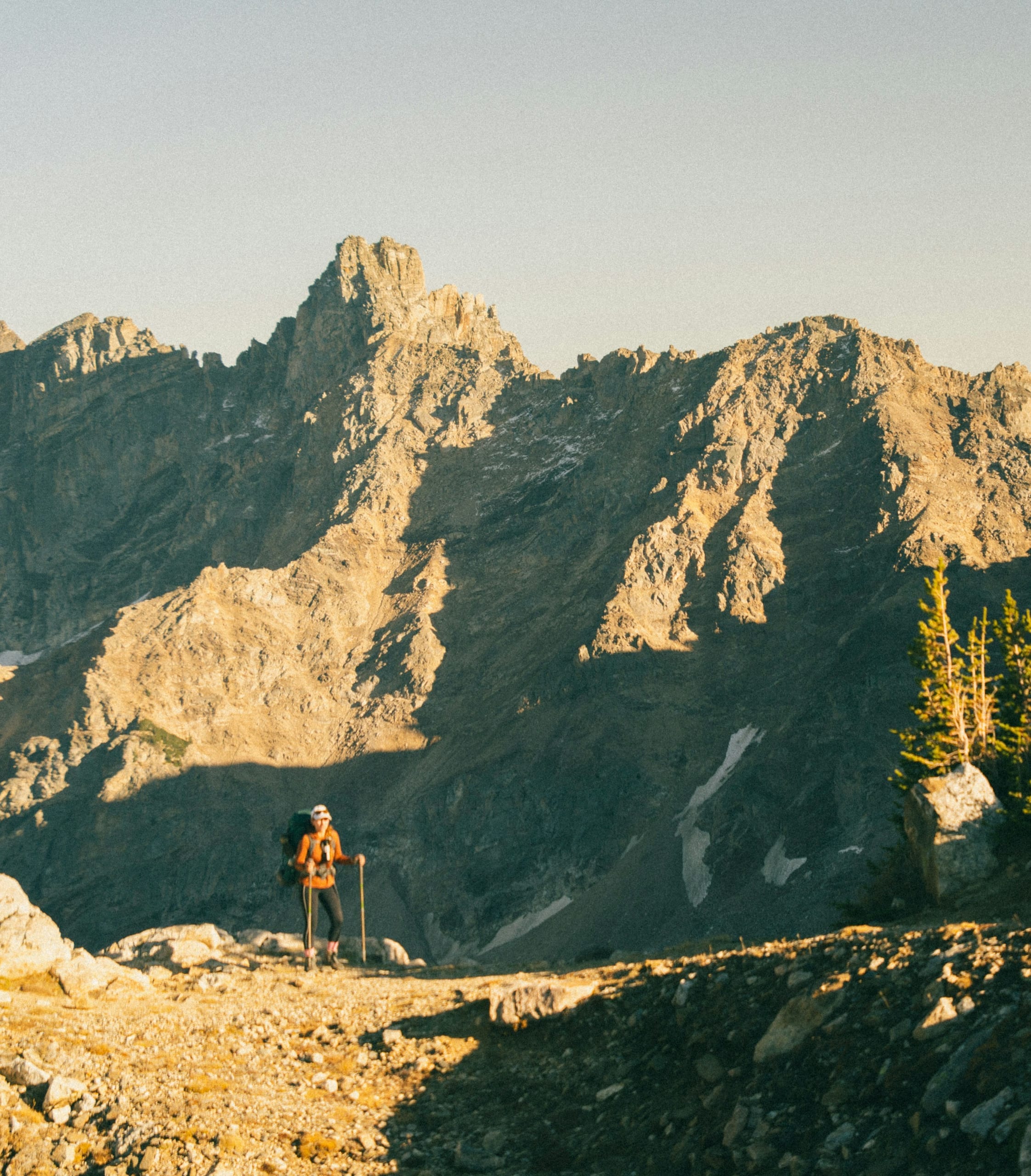
I spent a good decade thinking trekking poles were faintly embarrassing — a thing for serious people with zip-off trousers and a system for everything. Then I came down 1,400 metres off a pass in one afternoon, felt my knees turn to wet paper somewhere near the bottom, and watched a woman twice my age stroll past on two poles looking entirely fine. I bought a pair the next week. Pride is heavier than aluminium, it turns out.
So this is a slightly sheepish recommendation. Trekking poles aren't glamorous and they aren't for every trip. But on the right terrain they do more for your comfort and safety than almost anything else you can carry, and I was an idiot to resist them for as long as I did.
What they actually do
The marketing says they "engage your upper body." True, but that's not why you'll be grateful for them. The real wins:
- They save your knees on the way down. Descending is what wrecks joints, and planting a pole takes a serious chunk of load off each step. This is the big one. If you only care about one thing, care about this.
- They give you two extra points of contact. On loose scree, wet rock, a stream crossing, a sketchy snow patch, two poles turn a nervous wobble into a stable, boring step. Boring is good in the mountains.
- They take weight off your legs on long climbs, spreading the effort, which adds up over hours under a pack.
- They double as other things — a tent or tarp pole, a probe for depth, a way to fend off an overenthusiastic farm dog.
Nobody ever finished a long descent wishing they'd left the poles behind. I've finished plenty wishing I'd brought them.
What to look for
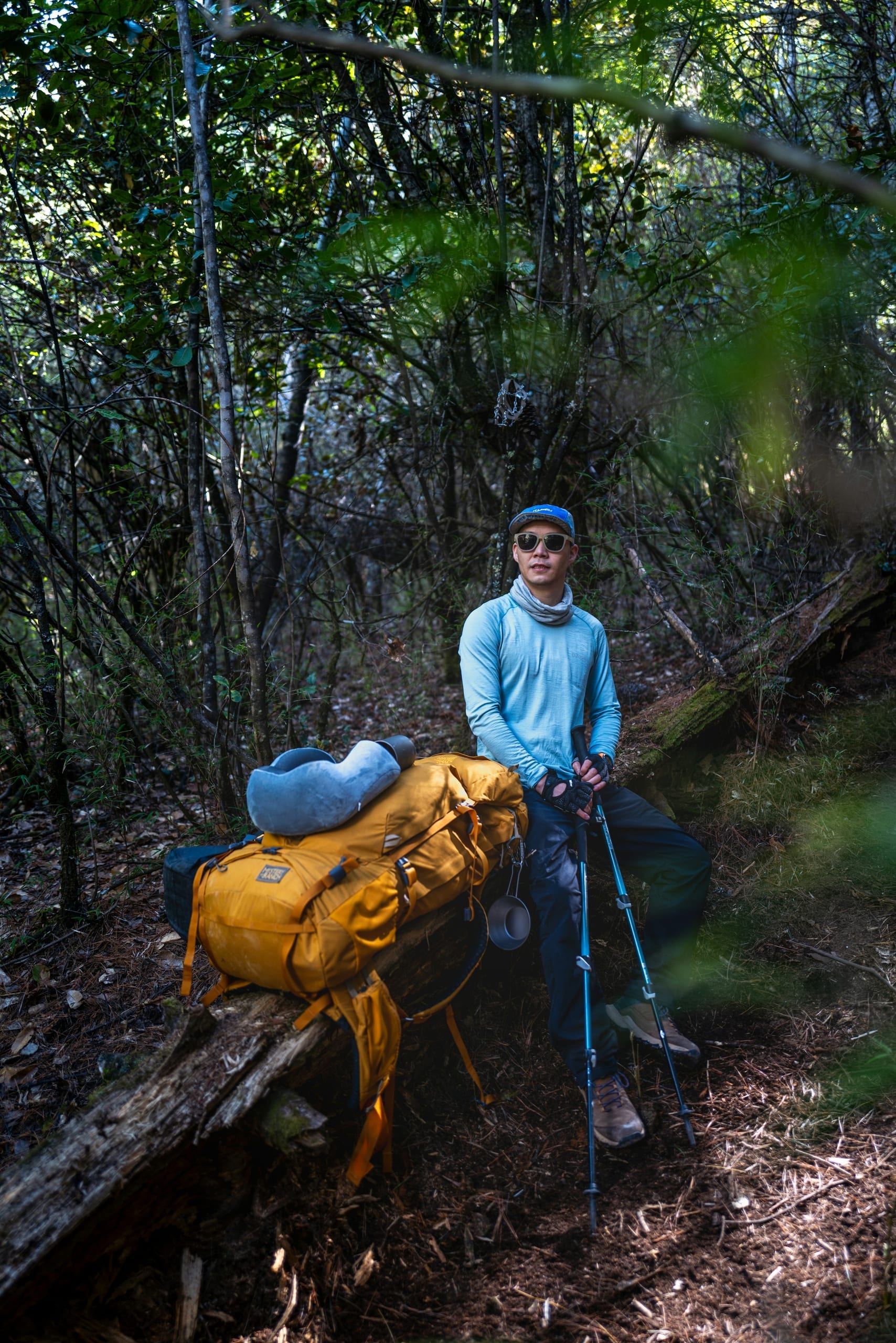
- Folding vs. telescoping. Folding ("Z-fold") poles collapse short and are easiest to stash in or on a bag — good for travel and flights. Telescoping poles adjust over a wider length range and are often a touch sturdier. For getting through luggage, packed length matters; check it fits your bag.
- The locking mechanism. External "flick locks" (a lever clamp) are easier to use with cold or gloved hands and slip less than the older internal "twist locks." I'd choose flick locks every time.
- Material: aluminium vs. carbon. Aluminium is cheaper, tougher, and bends rather than snapping outright — reassuring in the backcountry. Carbon is lighter and absorbs vibration nicely but can fail suddenly under a side load. For most travellers, aluminium is the sensible pick.
- Grips. Cork moulds to your hand and handles sweat best; foam is light and comfortable; rubber is fine but can blister you on long days. Get an extended grip or under-grip if you'll be on steep ground, so you can choke down without re-adjusting.
- Tips and baskets. Carbide tips bite rock and ice; rubber tip covers protect them (and floors, and the poles' welcome indoors) on hard trails. Small baskets for normal trails, wide "snow baskets" if you'll be on soft snow.
Roughly what it costs
- €25–50: budget aluminium pairs. Often perfectly adequate; the locks and grips are where you feel the price.
- €60–120: the sweet spot — reliable flick locks, comfortable grips, sensible weight. Where I'd spend.
- €150+: featherweight carbon and fancy folding systems for people counting grams on long expeditions. Lovely, unnecessary for most.
A mid-range aluminium pair will outlast several pairs of boots.
Where to buy
Outdoor and mountaineering shops, where you can extend a pair to your height and feel the lock action — a slipping lock is the single most annoying fault and it's obvious in the shop. Online is fine once you know what length and locking system you want. Buy poles with replaceable tips and baskets; those wear out and you don't want to bin a good pole over a €4 part.
Who should skip them
Plenty of people, honestly:
- Flat or gentle walking? You don't need them, and they're just something to carry.
- Scrambling that needs your hands? They get in the way; collapse and stow them.
- A short trip with one easy walk? Probably not worth the packing hassle.
They earn their place on long descents, loose ground, river crossings, heavy packs, and dodgy knees. Match the tool to the terrain.
My honest take
I now bring poles on anything with serious up-and-down and leave them home for everything else. They were the difference between enjoying and enduring the long drop off the Valbonë pass on the Theth crossing, and they made the loose descents above Kazbegi in Georgia feel like walking rather than controlled falling. They fold down small enough to ride on the outside of a packable daypack when I don't need them in hand.
If your knees have started sending you opinions on the way downhill, stop being proud about it like I was. Buy the mid-range aluminium pair with flick locks and cork grips, and enjoy the part of the walk you used to dread. More honest kit notes on the gear page.