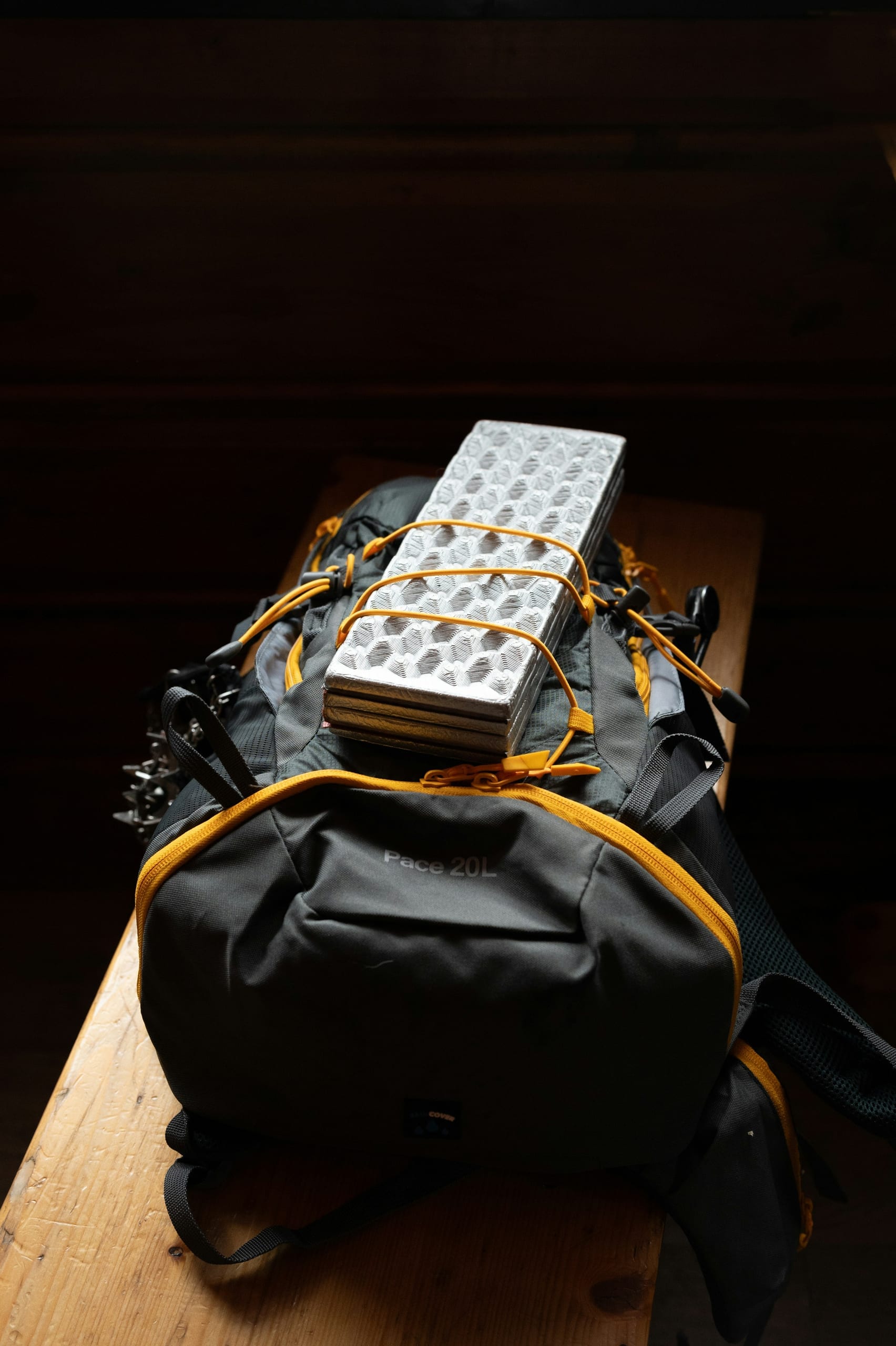
For years I solved the day-trip problem badly. Either I lugged my full travel pack around a city all day — bouncing off people on a tram, sweating, looking like I'd just arrived even on day five — or I crammed a water bottle and a jacket into my pockets until I jingled. Then someone showed me a bag the size of an orange that unrolled into a 20-litre backpack, and the problem simply went away. It cost less than a nice dinner.
A packable daypack is exactly what it sounds like: a thin, lightweight backpack that folds or stuffs into a tiny pouch (often one of its own pockets) when you're not using it. It lives at the bottom of your main bag taking up no space, and comes out whenever you need to carry things for a day and don't want your big pack on your back. That's the whole idea. It's almost stupidly simple, and it's one of the best small changes I've made to how I travel.
What it's for
- Day trips and city walking. Water, a layer, snacks, a camera, the bread you bought, the souvenir you didn't plan to. Your main bag stays at the accommodation.
- The flight. A second "personal item" you can collapse and pack once you're through, so you're not stuck carrying two bags around for the rest of the trip.
- Walks where you don't want the big pack. On the Theth-to-Valbona crossing I sent my main bag round by road and walked the pass with a packable daypack holding water, food, and a layer. Perfect.
- The beach, the market, the laundromat. All the small logistics of being somewhere.
It does one thing — carry stuff when you need it, vanish when you don't — and it does it for the price and weight of almost nothing.
What to look for
These are simple bags, but they're not all equal:
- Weight vs. durability. The lightest "stuffable" ones (around 100–200g) use thin nylon that packs tiny but won't love being overstuffed with sharp gear. A slightly heavier, higher-denier fabric lasts much longer. Decide whether you want featherweight or hard-wearing — you usually can't have both.
- Comfortable straps. The cheapest ones have thin, flat straps that bite into your shoulders under any real load. Look for straps with at least a little padding or width if you'll carry more than a jacket and a bottle.
- A bit of structure on the back panel makes a big difference to comfort, at a small cost in pack-down size.
- Decent zips. This is where cheap bags fail first. YKK or similar named zips are worth seeking out.
- Water resistance. Most shrug off a shower; few are truly waterproof. A small dry bag or liner inside handles the rest.
- Capacity. 15–20 litres is the travel sweet spot — enough for a full day, small enough to stay tidy. Bigger starts to defeat the purpose.
Roughly what it costs
This is a cheap category, gloriously. A perfectly good packable daypack runs €20–50. The well-known outdoor brands charge €40–70 for tougher fabric, better straps, and a hip belt. Above that you're into ultralight hiking territory where the prices climb, but for general travel there's no need to spend it. If you lose a €30 bag, you shrug. That's part of the appeal.
Where to buy
Outdoor and camping shops, travel sections of department stores, and online — this is one thing I'm happy to buy online, because the stakes are low and you can feel whether the straps are decent the moment it arrives. Try it on with a few kilos in it before a trip; a bag that's comfortable empty can be miserable loaded.
The downsides
- Comfort under load. These are not hiking packs. Put 10kg of camera gear in a featherweight one and your shoulders will file a complaint. Match the bag to the job.
- They look cheap, because they often are. If you want something smart for a nice dinner, this isn't it.
- Thin fabric punctures. Keep the sharp stuff (tripod legs, trekking pole tips) in something padded.
- No back ventilation on most, so your back gets sweaty in heat. A minor price.
My honest take
This is the highest ratio of usefulness to cost and weight in my entire bag. I've used the same kind of bag for day-walking out to empty beaches in Lofoten, for hauling pastries around Kyoto from dawn, and as my "everything else" bag on flights. It pairs naturally with packing light in general — once you're carrying a few good merino layers instead of a stack of clothes, a small folding daypack is all the extra capacity you need.
Get one. Get the slightly tougher mid-priced version if you carry a camera, the featherweight one if you mostly carry a jacket and a bottle. Either way it'll quietly fix a problem you've probably been putting up with for years. More small upgrades on the gear page.