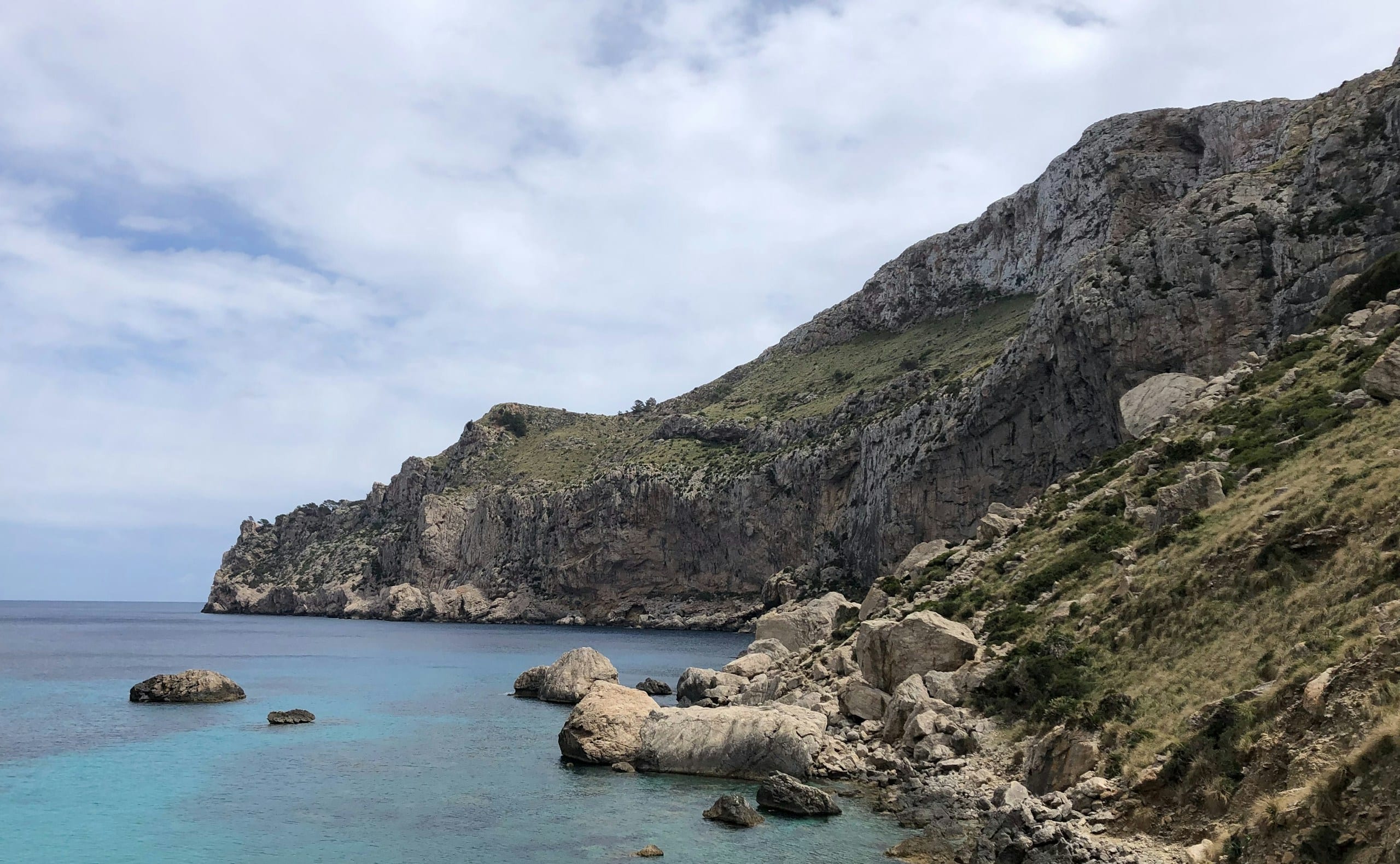
The first road sign after the airport pointed toward Magaluf. I turned the other way. Twenty-five minutes later I was climbing switchbacks into the Serra de Tramuntana with the sea dropping away on one side and olive terraces stacked up the other, and the package-holiday Mallorca I'd been bracing for never showed up. That gap — between the island people joke about and the one that actually sits under the limestone — is the whole decision.
Mallorca is Spain's largest Balearic island, a rough diamond in the western Mediterranean, and it runs two very different trips at once. The south and southwest coasts are dense with hotels, nightlife, and all-inclusive strips that ate the shoreline decades ago. The northwest is a UNESCO-listed mountain range of dry-stone walls, cork oaks, and villages that still smell like woodsmoke and orange blossom. I came for a week in late September. I spent almost none of it on a sun lounger.
The island that isn't the brochure
If your mental picture of Mallorca is foam parties and British breakfasts, you're not inventing it. Places like Magaluf and parts of Palma Nova really are that loud, and in July they feel designed to extract money as efficiently as possible. They're also a thin strip. Drive inland or north along the Tramuntana and the volume drops. The roads get narrower. The buses get less frequent. You start seeing fincas with fig trees and dogs that sleep in the middle of the lane.
The Tramuntana isn't a theme park mountain. It's farmed, lived-in, and occasionally stubborn: hairpin roads, limited parking in the famous villages, and a wind that can turn a sunny morning into a jacket afternoon without asking. That's the Mallorca I ended up caring about.
The resort strip is real. It just isn't the whole island — and treating it as if it is means you miss the part worth the flight.
Villages worth the parking fight
Valldemossa sits in a bowl of green hills with a Carthusian monastery where Chopin and George Sand spent a miserable winter complaining about the weather. Go early. By eleven the tour coaches have filled the main street and you're queueing for a coffee that should have taken three minutes. Walk the back lanes instead of the postcard square and it settles down.
Deià is the one everyone photographs: honey-stone houses stacked above the sea, once a writer-and-painter bolthole, now expensive enough that a simple lunch can run $35–50 a person if you sit somewhere with a view. I still think it's worth a slow morning. Drop down the path to Cala Deià — a rocky cove, not a soft beach — and swim if the swell allows. Bring water shoes. The stones are not polite.
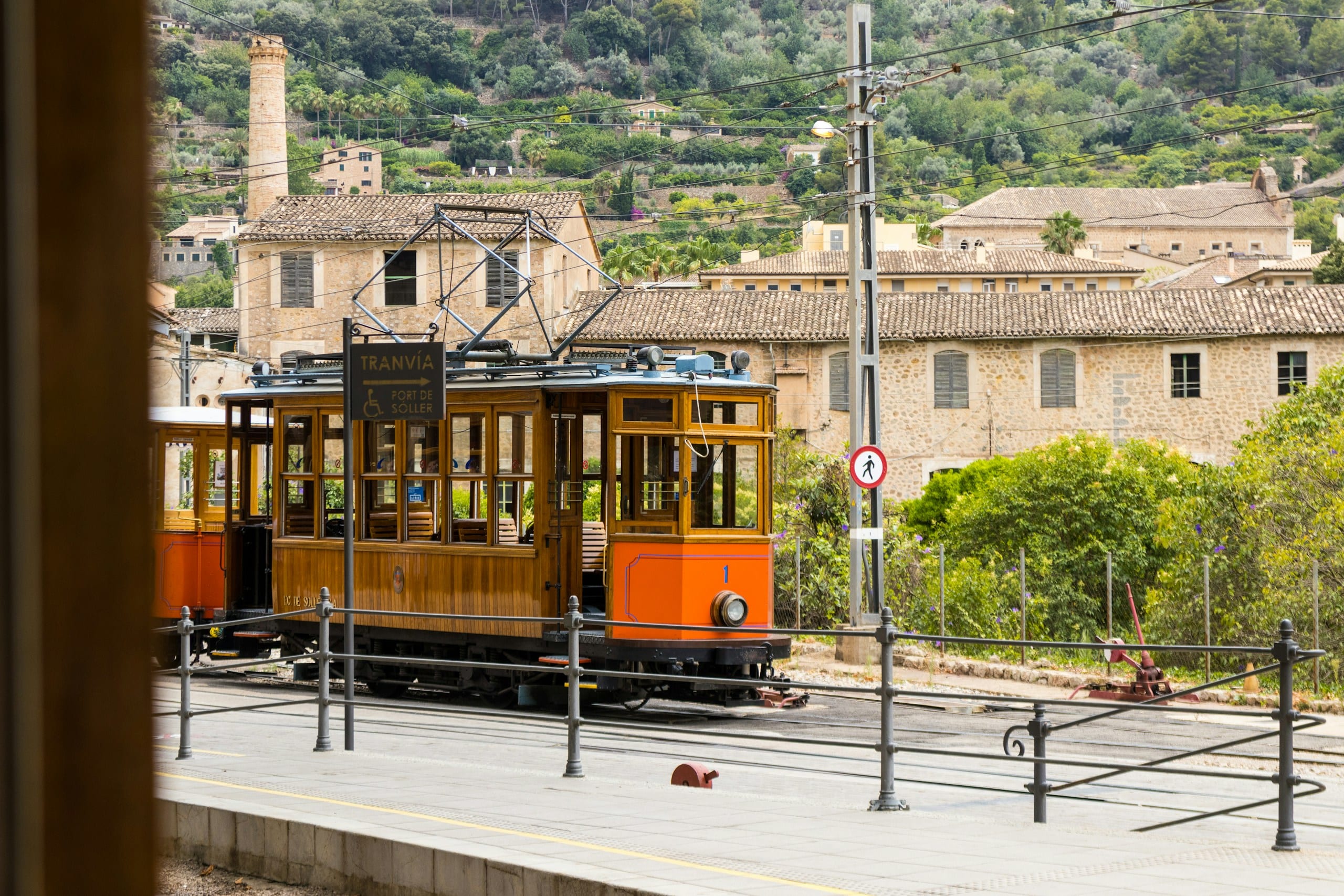
Sóller is my pick for a base. It's a valley town of citrus groves and tram tracks, lively without being frantic, and you can reach the port, the mountains, and Palma without living in a car. Port de Sóller is a twenty-minute walk or a ride on the old wooden tram that clacks through the orchards like something that escaped 1913.
Calas you earn on foot
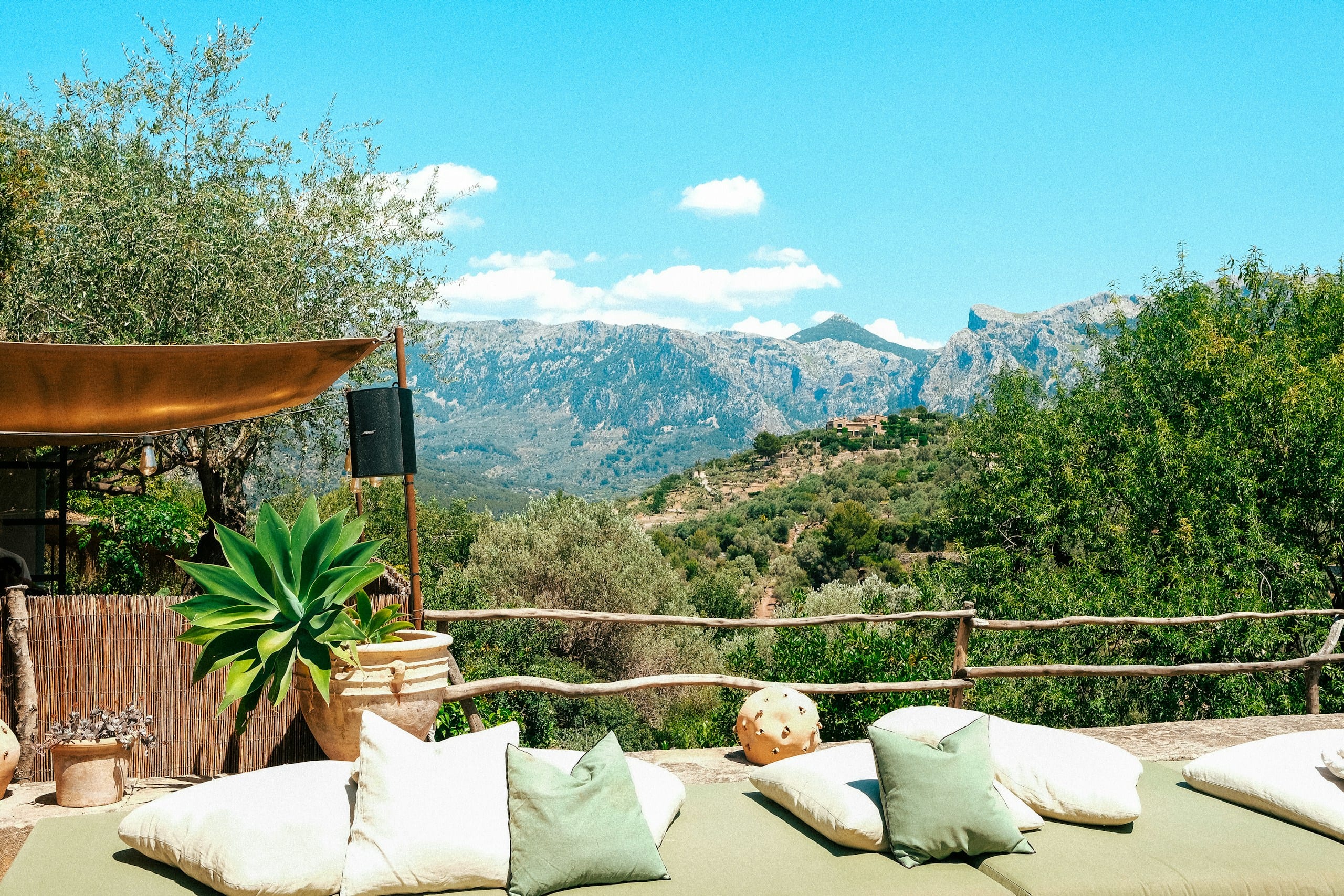
Mallorca's best swimming is often not on the big sandy beaches with rows of umbrellas. It's in the calas — small coves cut into limestone, some reached by road, some only by path. Cala Figuera on the Formentor side, the rocky pockets west of Deià, the inlets you find when a trail suddenly opens onto turquoise water: those are the ones that stick.
A few practical notes from getting it wrong once:
- Go early or late. Midday parking at popular calas is a sport I lost.
- Wear shoes you can scramble in. Many "beaches" are pebble and rock.
- Carry water. Shade is scarce on the cliffs.
- Check the swell. A beautiful cove becomes a washing machine when the wind turns.
A packable daypack earns its keep here more than a beach bag. You're hiking to swim, not posing next to a sunbed.
The Sóller train, which is not a gimmick
The Ferrocarril de Sóller — the wooden train between Palma and Sóller — gets sold as a tourist novelty. Take it anyway. The line climbs through tunnels and citrus country that you simply don't see from the highway, and arriving into Sóller's station feels like the island exhaling. One-way fares are roughly $20–30 depending on the ticket type; buy ahead in peak season or you'll stand. Pair it with the tram down to the port and you've done the most useful "tourist" thing on the island without wasting a day.
Palma for a night, not a week
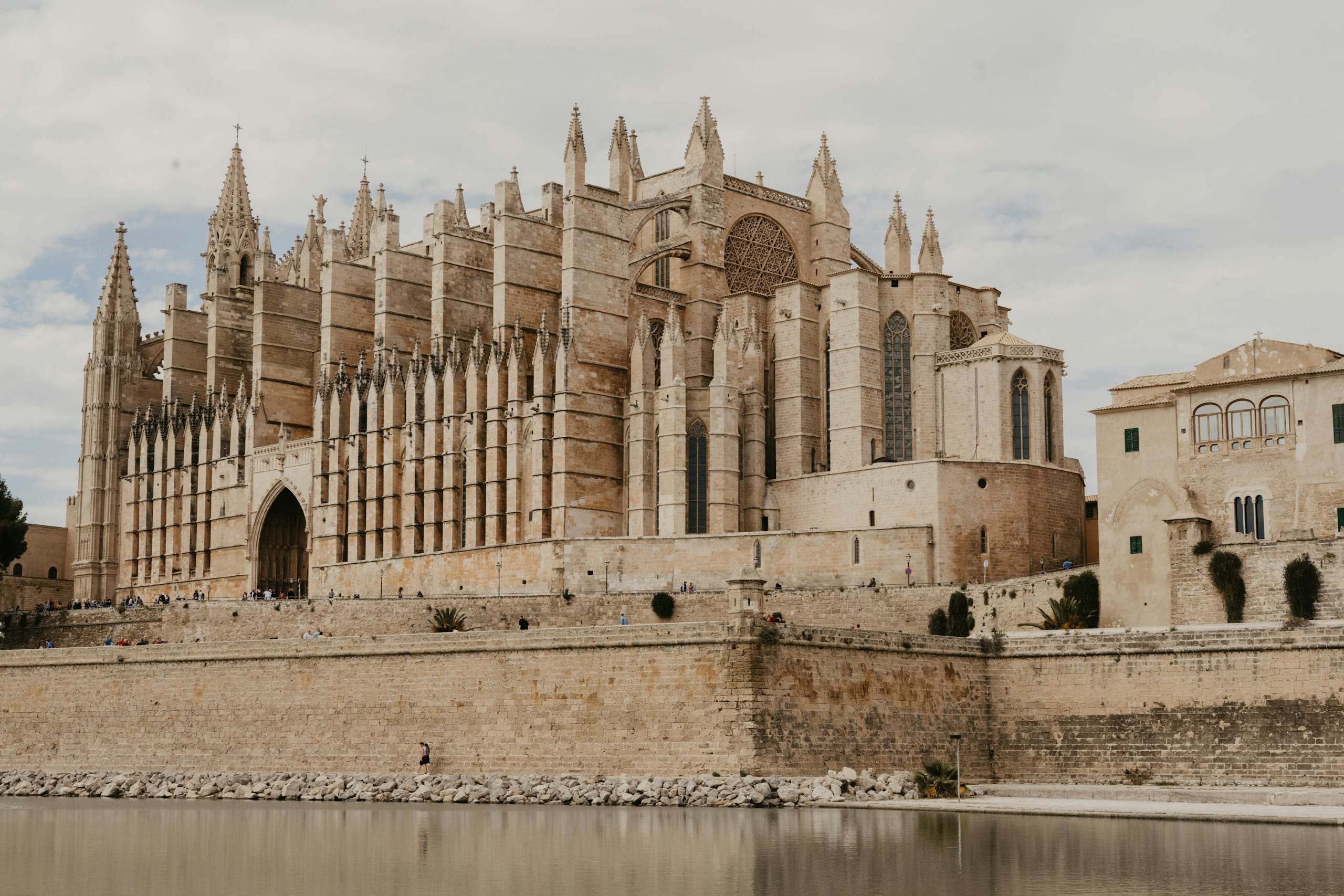
Palma de Mallorca is a proper city: a Gothic cathedral that looks like a ship run aground on the waterfront, a warren of old-town streets, and restaurants that outclass anything on the resort strip. One or two nights is plenty if your trip is about the mountains. Walk the cathedral quarter in the morning, eat ensaimada (the coiled sugar pastry that leaves a trail of powdered sugar on your shirt), and get out before you start treating the capital as the destination. The island's center of gravity, for me, sits northwest of here.
When to go, what it costs, what I'd skip
Shoulder season wins. Late April through early June, and September into early October, give you swimable water without the August crush. July and August are hot, expensive, and crowded on every famous overlook. Winter is quiet and green; some restaurants close, and the mountains get cold enough for a real jacket.
Rough daily costs (outside peak August, traveling simply):
- Village guesthouse or small hotel: $90–160 a night
- Farm stay / finca inland: often $100–180, sometimes with breakfast that involves actual oranges from the trees outside
- Lunchtime menu del día: $15–25
- Car hire: $35–60 a day, plus parking stress in Deià and Valldemossa
- Bus-only is possible but slower; the Tramuntana rewards a car or a very patient timetable
What I'd skip: Magaluf as a destination (drive past if you must), the most Instagrammed Formentor viewpoint at midday, and any itinerary that tries to "do the whole island" in four days. Mallorca is only about 100 km across, but the mountain roads eat time. Pick a base — Sóller, Pollença, or a finca in the foothills — and go deep instead of wide.
The Serra de Tramuntana is on the UNESCO World Heritage list for its cultural landscape of terraces and dry-stone work. That sounds abstract until you're walking a path that farmers cut into the cliff two hundred years ago and you realize the postcard is a working hillside.
Is it worth it?
Yes — if you want Mediterranean swimming and mountain walking in the same week, and you're willing to ignore the loudest part of the island. No — if your idea of a good trip is nightlife, soft sand, and not moving the rental car. I'd fly back for the Tramuntana before I'd fly back for the south coast. The water is the same blue. The quiet isn't.
If stone towns with a complicated tourism story are your thing, you might also like Matera in southern Italy. More of the longer way around lives in the destinations archive.