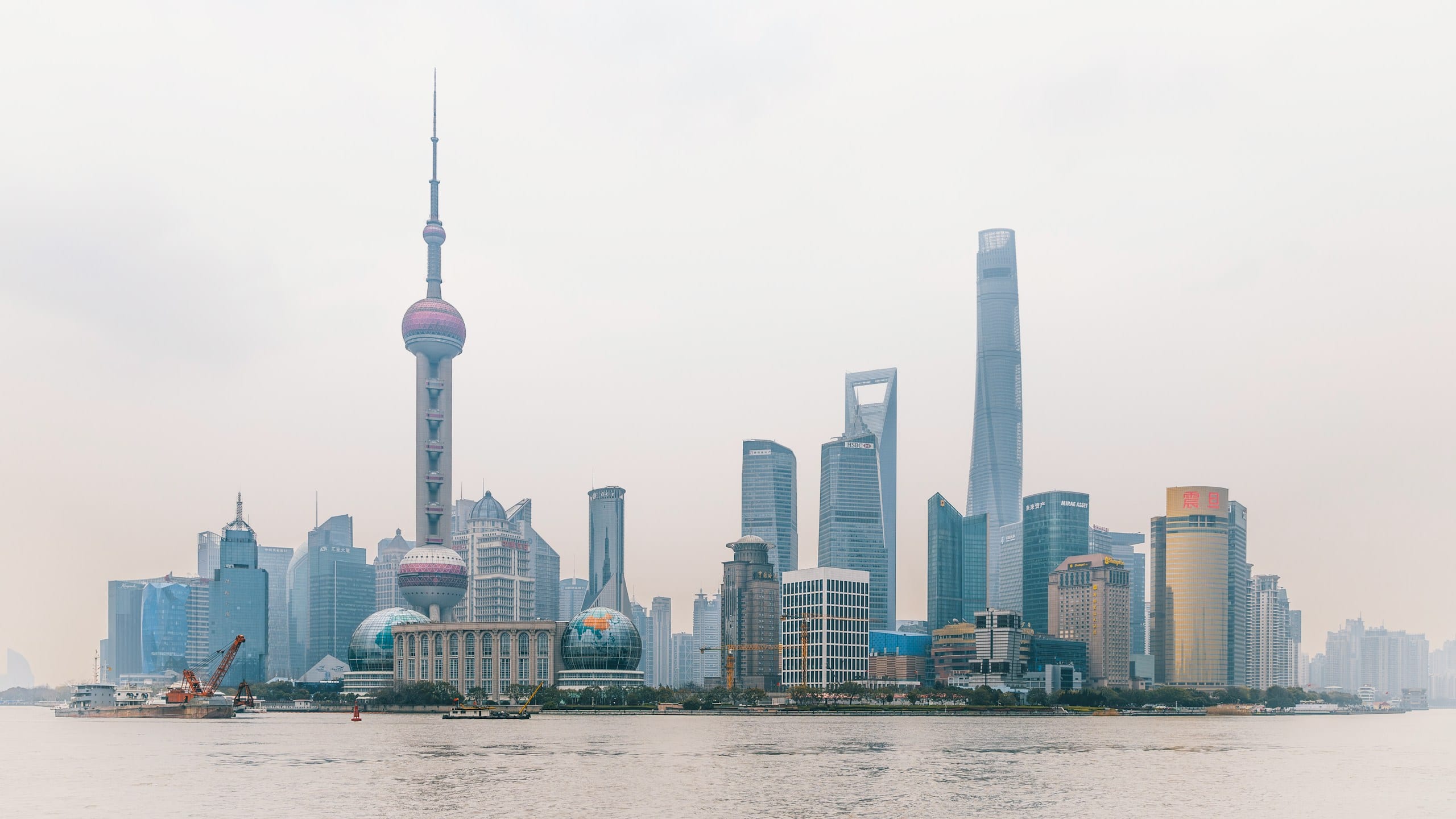
I'd taken the high-speed train down from Beijing the night before, checked into a small hotel near People's Square, and set an alarm for 5:15 without quite believing I'd get up. I did. The city outside was still grey and quiet, the kind of quiet a place with 25 million people only permits for an hour or two before the buses start. I walked east toward the river with a paper map I'd printed at the hotel because my phone was already gasping at 4%, and the Bund at first light is the reason people put Shanghai on lists. I wanted to see it before the tour groups arrived with their matching flags and portable speakers.
It worked. For twenty minutes I had the promenade almost to myself: a few joggers, one man doing something elaborate with a tripod, and the Pudong towers across the Huangpu looking like they'd been switched on one floor at a time. The old colonial buildings on my side were still stone-coloured, not yet bleached by a thousand phone flashes. A cleaner hosed down the paving near the bronze bull. The river smelled like diesel and wet concrete, which is not romantic and is exactly what it is.
Then the buses came. I left.
The wrong lane, on purpose
The rest of the day I had no plan except lunch. A colleague in Beijing had written down an address for xiaolongbao in the French Concession — not in English, not on any app I could read without Wi‑Fi, just Chinese characters on a scrap of paper that I folded into my wallet like a talisman. I took the metro to South Shaanxi Road and started walking.
Shanghai's metro is clean, cheap, and annotated in pinyin if you're lucky. A single ride cost me ¥4 (about $0.55). The hard part is what happens after you surface. The French Concession is plane trees and low lane houses called shikumen, stone gates opening into shared courtyards where laundry hangs across the alley at shoulder height and someone is always rinsing something in a plastic basin. It looks like a film set until you notice the electric scooters parked three deep and the repair shop selling phone screens next to a place that sells $14 flat whites.
I got lost within ten minutes, which was the point. I'd spent three days in Beijing moving between monuments with a timed ticket in my pocket. Shanghai felt like the city where you were allowed to miss things. I walked past a primary school letting out for lunch, the kids in red scarves, and a barber shop where the barber waved me in before realising I had nothing useful to say in Mandarin and waved me out again, laughing.
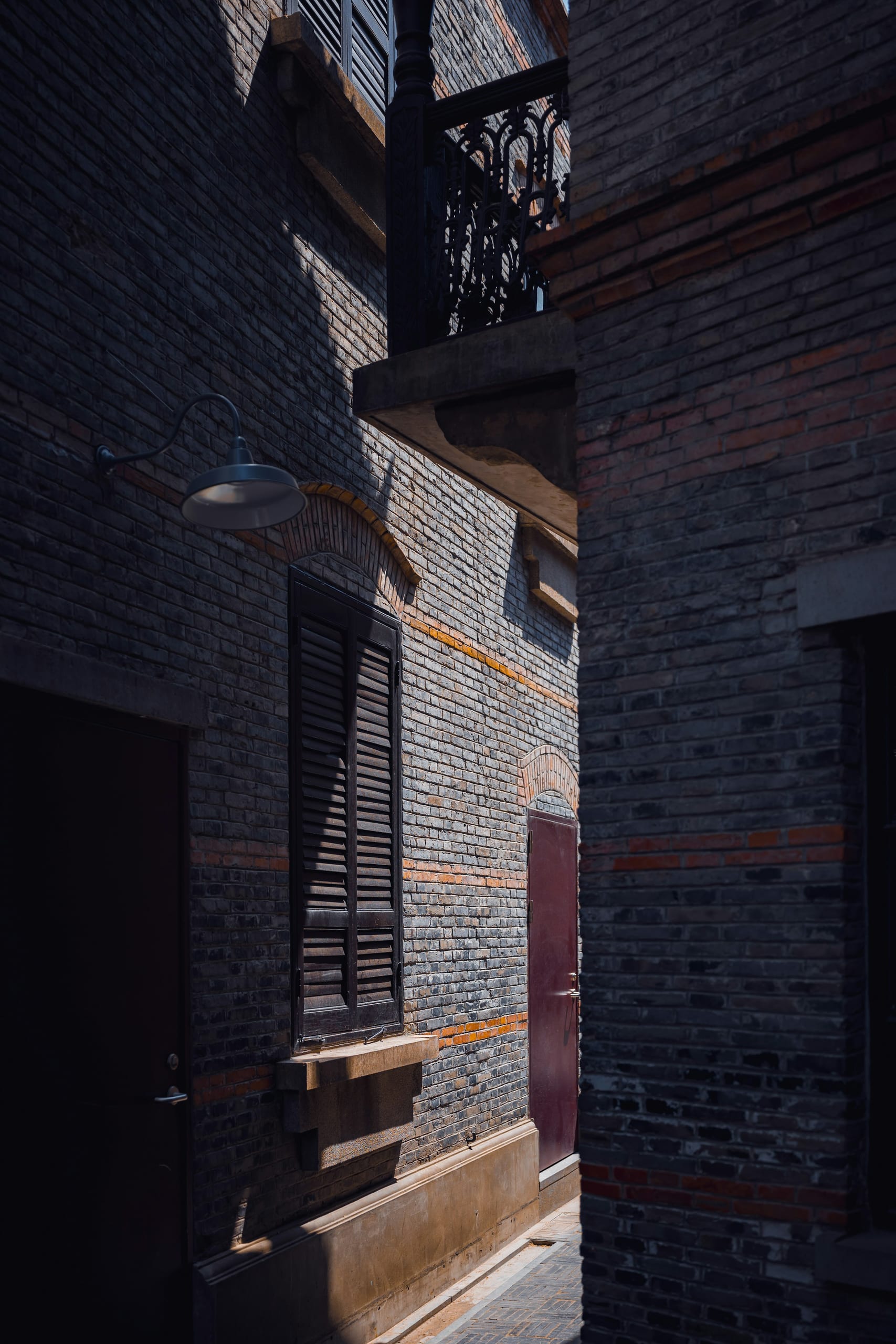
My phone died at noon on a bench outside a closed art gallery. I cannot recommend this as a strategy, but it improved the afternoon. Without maps I stopped checking whether I was in the right place and started noticing what was actually there: a woman selling jianbing from a cart for ¥8 ($1.10), the crepe folded with a crunch you could hear from across the street; an old man feeding pigeons in a pocket park the size of a parking space; the particular shade of green the plane trees turn before a rain.
I never found the dumpling address. I ate two pork buns from a convenience store instead, standing under the awning while the sky went slate-coloured, and they were hot and slightly sweet and cost ¥6 ($0.85) for the pair. Not the meal I'd been promised. Fine anyway.
Pudong at night, which is what everyone else came for
I went back to the river after dark because you do, even when you've spent the day trying to avoid the obvious. The Pudong skyline across the water is what people mean when they say Shanghai looks like the future — the Oriental Pearl Tower, the bottle-opener building, all of it lit up and reflected in the Huangpu like a second city underneath. The crowd on the Bund was thick enough that I stopped trying to walk in a straight line and drifted with it.
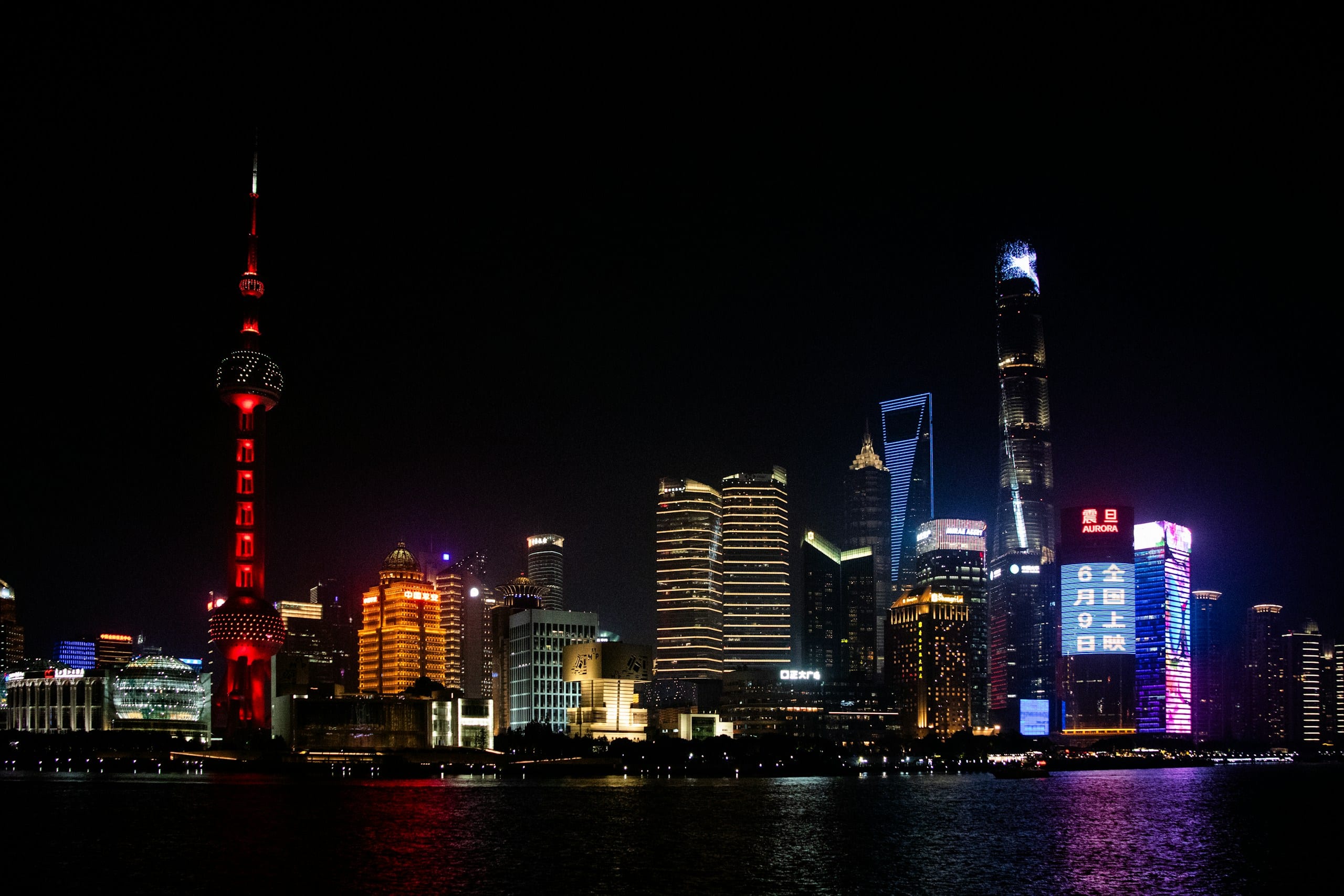
It is impressive. It is also a performance — the light show on the towers runs on a schedule, and half the people facing the river were facing their screens instead. I stayed twenty minutes, long enough to admit the towers are real and the scale is not a trick, then cut inland away from the tripods.
Chongqing had got under my skin two weeks earlier with its vertical wrongness and hotpot that numbed my lips for an hour. Shanghai is the opposite temperament: horizontal where it can be, polished, easier for a foreigner with no Chinese. English on menus in the tourist zones. Alipay linked to my card after a forty-minute setup ordeal at the hotel. Less raw, less confusing, and I liked it more than I expected on a day when nothing on the itinerary worked.
What I kept
Not the scrap of paper with the dumpling address — I threw that out at the airport. The bench where my phone died. The jianbing crunch. The Bund at 5:30 with no one in the frame.
I flew out the next morning to Hong Kong for work, which is not part of this story except to say Shanghai felt unfinished in the way cities feel unfinished when you weren't trying to complete them. I'd come for the skyline. I left thinking about a lane I couldn't find again.
More field notes in the journal. For the capital I came from, see Beijing beyond the brochure.