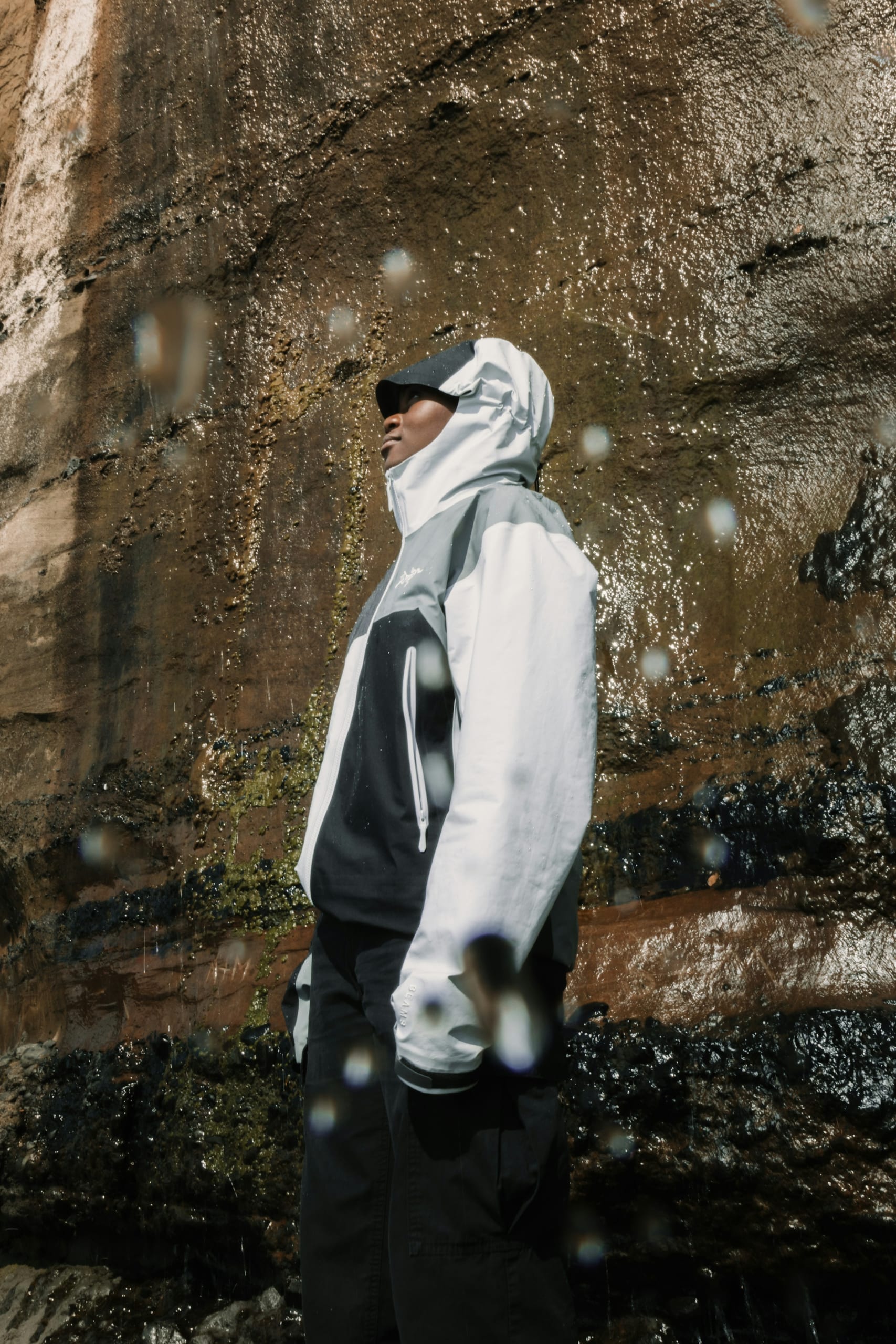
I got properly soaked on a Tuesday in Bergen with a perfectly good rain jacket sitting on a chair in my room. Not a mountain storm — just the ordinary west-coast drip that starts halfway to lunch and refuses to stop. By the time I reached the café, my shirt was stuck to my back. The jacket I'd packed for this weather was dry, folded, and useless.
That was the day I stopped treating a rain shell like emergency kit and started treating it like keys: if I'm leaving the building, it comes with me.
What we're talking about
Not a heavy mountaineering shell. Not a fashion trench that says "water-resistant" on the hangtag and gives up after twenty minutes. A packable rain jacket for travel is a thin waterproof layer that stuffs into its own pocket (or a fist-sized pouch) and lives in whatever bag you're actually carrying that day.
The point isn't a three-day alpine storm. It's the afternoon the forecast called "scattered showers" and the sky decided otherwise. I use mine most in places that rain sideways without apology: Bergen on a four-night stay, shoulder-season islands, mountain days where the cloud base sits at eye level.
The best travel rain jacket is the one already in your daypack when the first drops hit the pavement.
What actually matters when you buy one
Ignore the marketing adjectives. Check these:
- Real waterproofing, not vibes. Look for a stated waterproof rating and taped seams. "Water-resistant" fashion coats wet through.
- A hood that moves with your head. If it stays pointed at the sky while you look left, you'll spend the day half-blind and half-wet.
- Pack size. If it doesn't squash small enough to forget about in a packable daypack, you will leave it behind. That's the whole failure mode.
- Breathability you can live with. Cheap shells turn into personal saunas the moment you walk uphill. Pit zips help. Sweat isn't a defect in the jacket.
- Try it on over a jumper. Travel shells get worn over whatever you already have on. If the sleeves ride up and expose your wrists, water will find that gap every time.
Roughly what it costs
- $40–70: basic packable shells. Fine for city rain and short walks. Expect weaker breathability and zippers that feel cheap.
- $80–150: the travel sweet spot. Better membrane, better hood, seams that survive a year of stuffing and unstuffing.
- $180+: lighter, tougher, or both. Lovely if you need it. Unnecessary if you mostly dodge showers between museums.
I'd rather own a $90 jacket that lives in my bag than a $250 one I "save" for bad weather and never have when it arrives. Buy it at an outdoor shop if you can — hood up, arms waving — or online once you know your size.
Where the umbrella wins
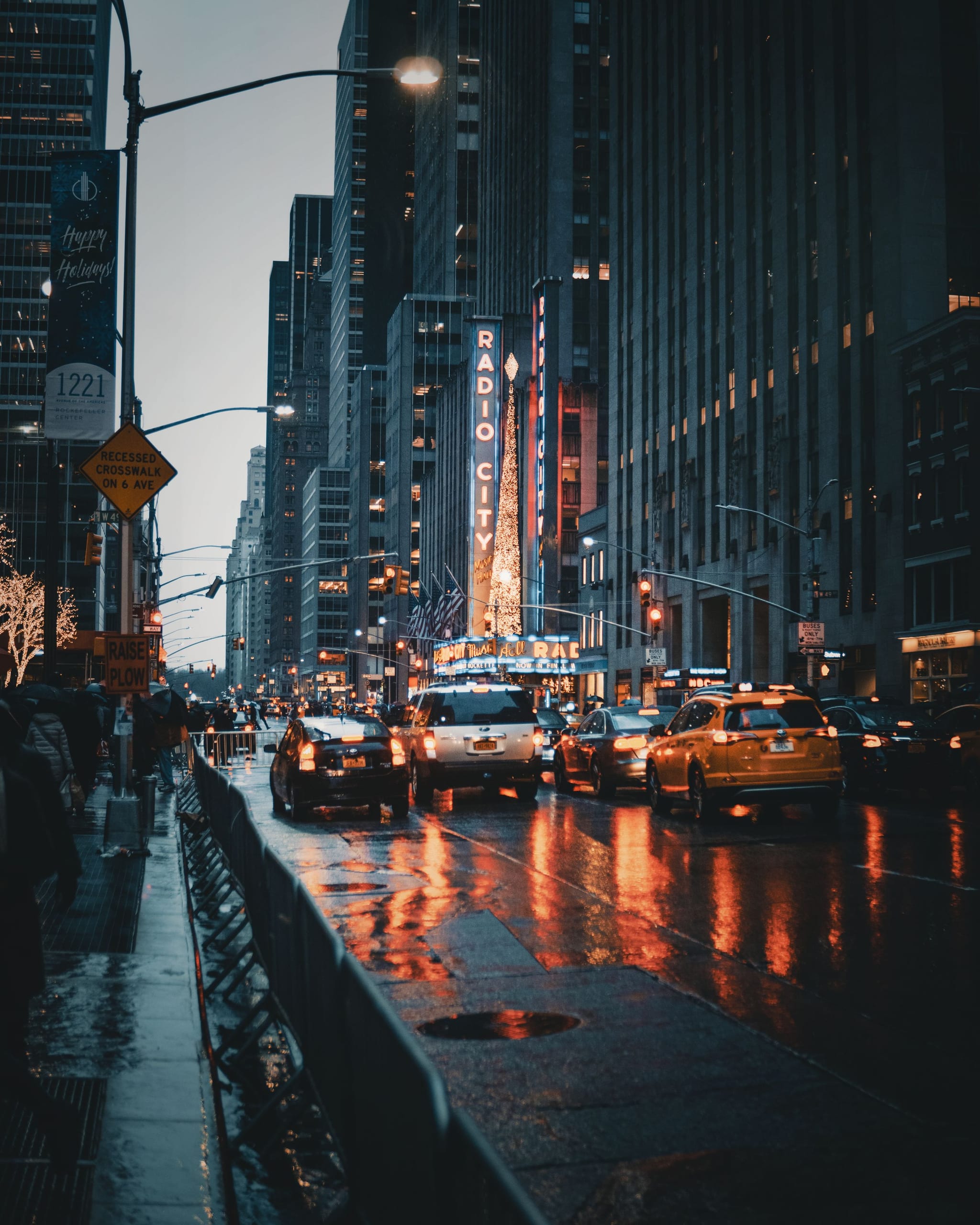
In dense cities with short hops between cafés, an umbrella is often smarter — cooler, and you can share cover at a crosswalk. A shell wins when wind flips the umbrella, when you need both hands free, or when you're walking more than twenty minutes in open weather.
I carry the jacket almost always, plus a cheap umbrella on mostly urban trips. The miserable ones usually brought neither because the morning looked fine.
The downsides, plainly
- You will sweat in it. Pair it with a merino base layer you can stand to wear damp, and vent early.
- Cheap ones fail at the cuffs and zippers first. Buy replaceable thinking, not heirloom thinking.
- Stuffing weakens the coating over years. Eventually the jacket just gets retired.
- It looks like outdoor kit, because it is. Take it off at the restaurant door.
My honest take
Ordinary gear that people romanticize or ignore. Neither reaction is useful. Buy a mid-priced shell with a hood that works, stuff it in the bag you carry every day, and stop deciding each morning whether the sky "looks like rain."
Would I travel without one? Only to a desert in high summer. Everywhere else — mountains, ferry towns, rainy coasts — it's non-negotiable.
Get one. Put it in the bag. Leave the chair empty. More kit I actually carry lives on the gear page.