I got off the plane in Hanoi with a packing list that assumed one climate, one pace, and a polite traffic system. Within an hour I was standing on a curb watching scooters part around a woman carrying stacked lunch boxes, wondering how anyone ever reaches the other side. Vietnam rewards people who show up curious. It punishes people who arrive with a brochure in their head.
These are the ten things I wish someone had told me straight — not the visa flowchart, not the packing list, the stuff that actually changes how the trip feels. I learned them across Hanoi, Hoi An, and Saigon. Some I got right. Some I paid for.
1. Vietnam is three climates, not one packing list
The country stretches more than 1,600 km north to south. That is not a detail for geography nerds. It is why your linen shirt feels perfect in Saigon in March and useless in Hanoi in November.
Northern Vietnam (Hanoi, Sapa, Ha Long) has a real winter. Mid-November mornings sat around 18°C (64°F); December and January can drop near 10°C (50°F) with a drizzle that soaks through everything. Central Vietnam (Hoi An, Da Nang, Hue) runs hotter and takes the brunt of autumn typhoons — September through November can shut ferry schedules and flood streets. The south (Ho Chi Minh City, Mekong Delta) stays hot year-round: I hit 32°C (90°F) in March and watched a thunderstorm flood a side street to ankle depth in twenty minutes.
Pack layers if you touch the north. Pack rain gear if you touch the center in fall. Ignore anyone who says "it's tropical, you'll be fine."
Shoulder seasons still win. March–April and September–November (outside peak typhoon weeks in the center) gave me the best mix of weather and fewer coach groups. Peak Christmas–New Year prices are real in Hoi An and on Ha Long boats. Pay them only if the calendar forces you.
2. Crossing the street is a skill — and you will freeze the first time
Traffic in Vietnamese cities does not stop for pedestrians. It flows around them. The technique a hotel receptionist drilled into me in Saigon: walk at a steady pace, do not stop, do not run, do not try to negotiate with eye contact. The swarm adjusts. It feels wrong until it works.
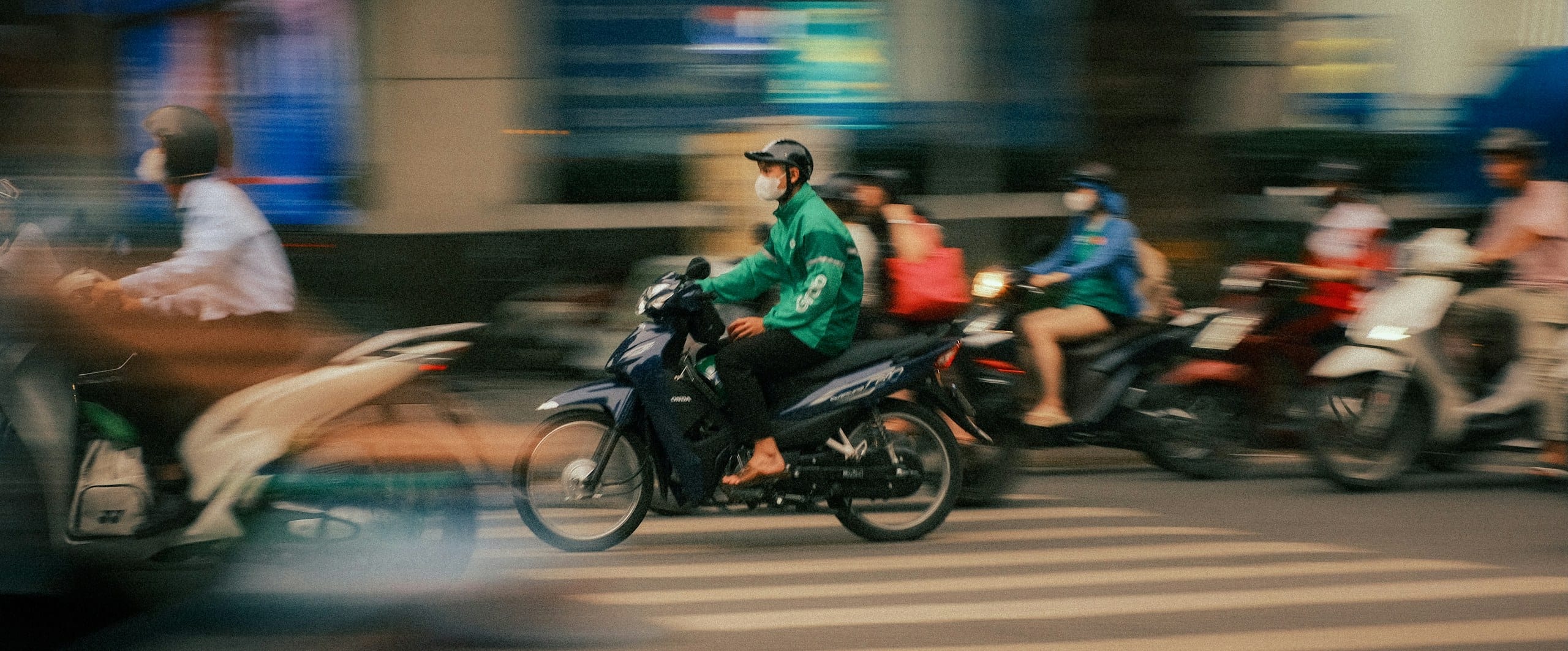
Grab (the ride-hailing app) is the backup plan. Central rides run 25,000–45,000 VND ($1–2). Walking still matters in Old Quarter Hanoi and District 1 Saigon, but only after you accept that the pavement belongs to parked scooters and you will share the road.
3. The e-visa is easy. The first ATM is where people get sloppy.
Vietnam's official e-visa portal is the one to use. Third-party "visa service" sites skim fees for filling the same form. Check entry requirements before you book — rules shift, and screenshots of old blog posts age badly.
Cash still runs the day. Street pho, Grab bike rides, market fruit, the woman selling coffee on a plastic stool — most of that is VND, paid in person. ATMs are everywhere in tourist areas; fees add up if you withdraw tiny amounts. Pull enough for a few days. Keep small bills. A 500,000 VND note ($20) at a 40,000 VND pho stall creates a small negotiation problem you do not need before coffee.
Cards work at hotels and nicer restaurants. They do not replace cash. Budget mid-range around $40–70 a day once you are past flights: clean hotel, street meals, local transport, one paid sight. You can spend less. You can also burn $200 on a Ha Long junk without trying.
SIM cards at the airport (Viettel, Mobifone, Vinaphone) are cheap and worth buying before you leave the terminal. Data makes Grab work. Without Grab, you are negotiating taxi fares in a language you do not speak, which is how airport rides become stories you tell for the wrong reasons.
4. Street food is the point — and the schedule matters more than the hygiene lecture
I ate street food most meals for three weeks and felt better than after half the hotel buffets. The rule that actually helped: busy stalls with a turnover you can see, broth that has been simmering since dawn, seats full of locals. Empty tourist-facing carts at 3 p.m. are a different bet.
Timing is the part guides bury. Northern pho is a morning food — many shops close once the broth runs out. Bún chả owns lunch in Hanoi. Saigon bánh mì carts hit hardest mid-morning and again before dinner. Show up on the stall's schedule, not yours.
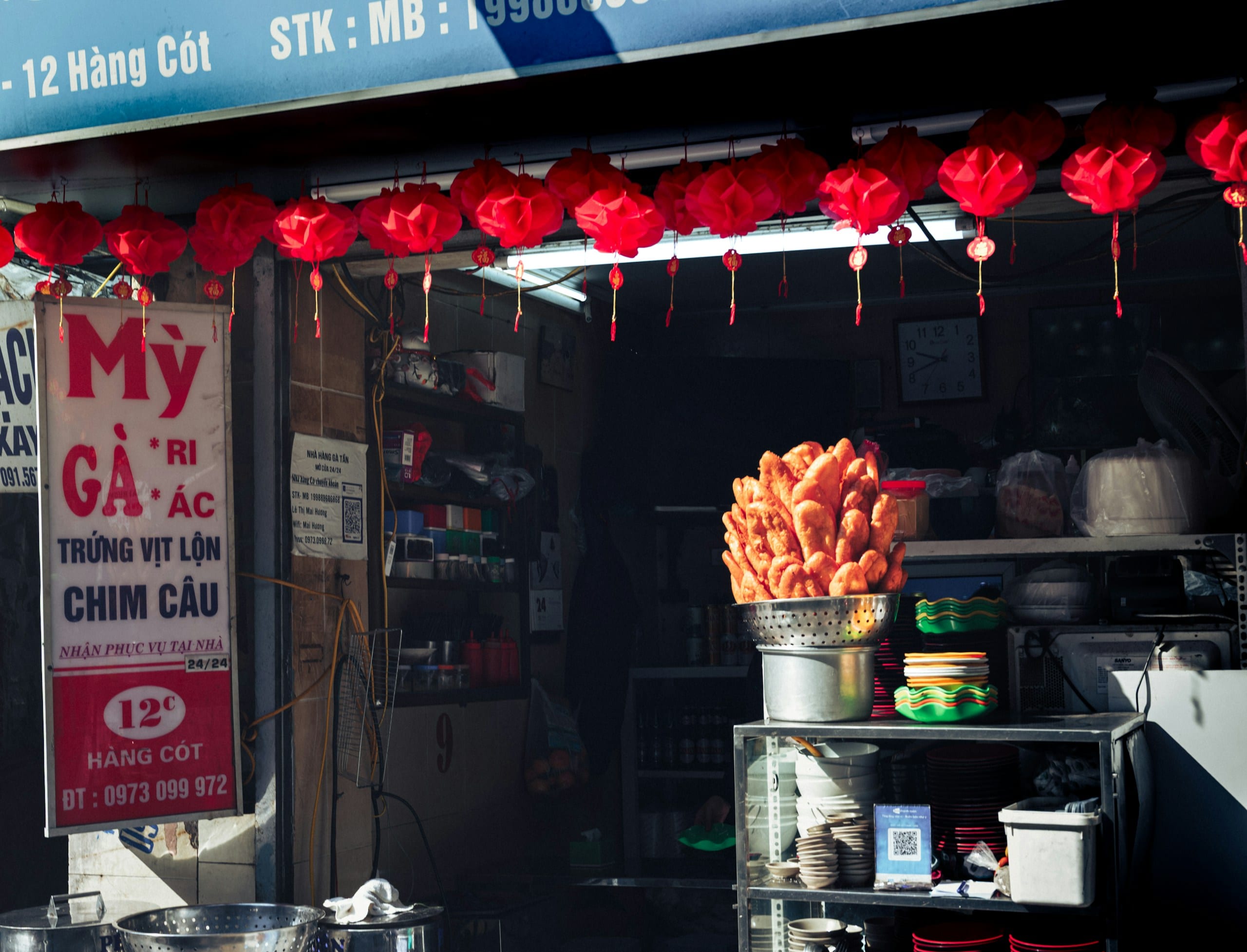
A bowl of pho: 40,000–55,000 VND ($1.60–2.20). A bánh mì: 25,000–35,000 VND ($1–1.40). Egg coffee in Hanoi: 35,000–45,000 VND ($1.40–1.80). If a place near a major landmark charges triple with no locals in sight, you are paying for the view of other tourists.
5. Ha Long Bay as a day trip is a tax on your best day
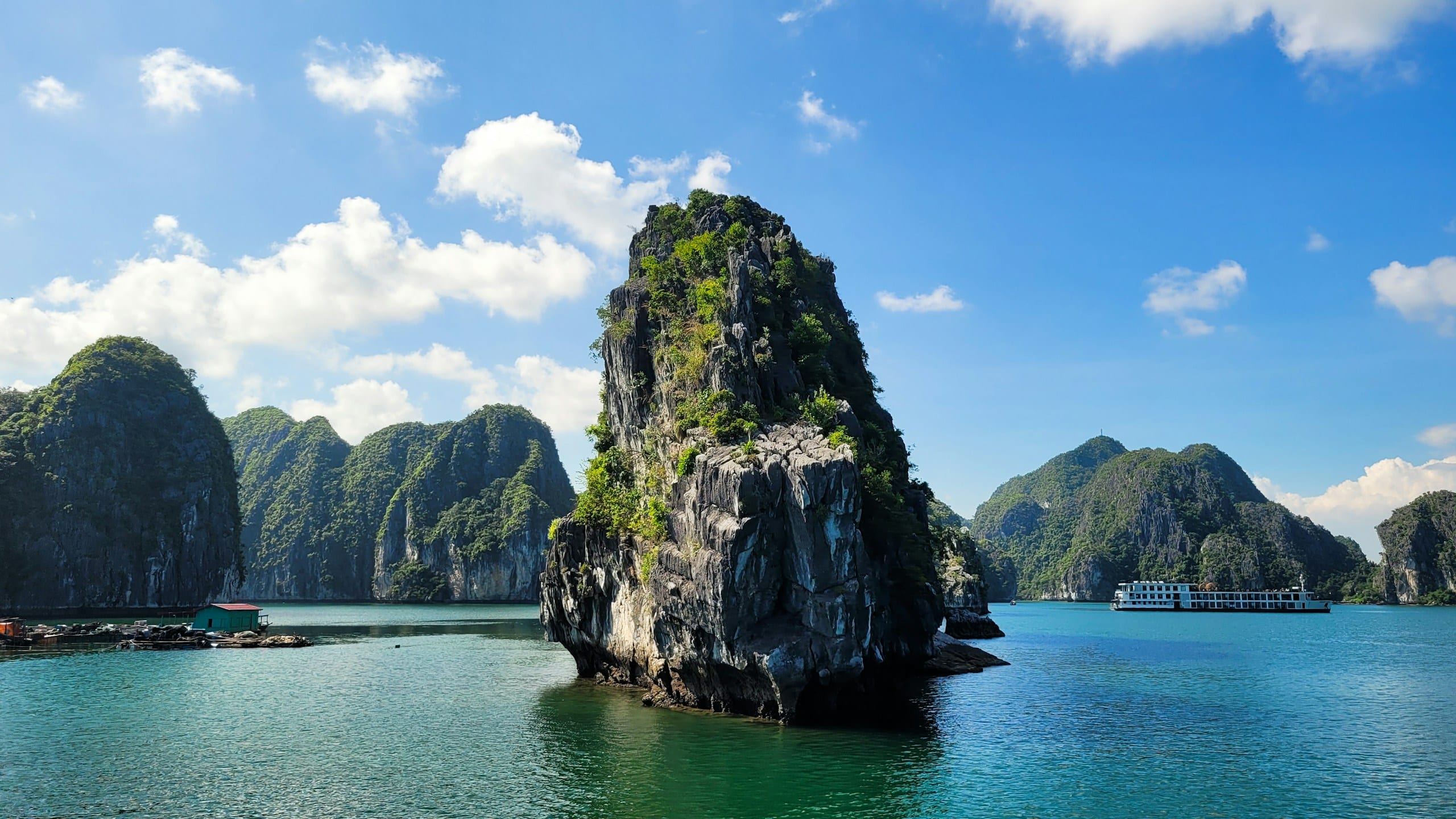
The bay is extraordinary — limestone towers rising out of green water, the kind of landscape that makes you quiet for a minute. The standard Hanoi day-trip package is not. Four hours on a bus each way. Two hours on a boat with fifty strangers. A rushed cave. A buffet. Back in traffic by evening.

Stay overnight on the bay if you can — even one night changes the math. Or skip it and keep the day for Hanoi. UNESCO's Ha Long Bay page is useful for context; your hostel's $45 express tour is useful for filling a brochure, not for seeing the place. The same logic applies to Cu Chi from Saigon: fine if war history is your reason for being there, a grind if it is checkbox tourism.
6. Distances lie — fly the long hops, slow down between them
Hanoi to Ho Chi Minh City is roughly 1,760 km. The overnight train takes about 30–36 hours. I met people who romanticized that journey and people who arrived looking like they had lost a bet. Both were telling the truth.
For the full north–south run, fly the long legs and give each stop real days. Hanoi needs four or five nights if you want mornings for pho and evenings that are not a blur. Hoi An rewards three nights minimum — the Ancient Town is small, but the surrounding villages and the river are the reason to stay. Saigon needs three or four if you are going to learn the neighborhoods instead of only District 1.
Trying to "do Vietnam" in ten days by hitting every famous name is how you remember airports. Pick a spine — north, center, or south — and go deep. The destinations posts on this site are written that way on purpose.
Night buses are fine for shorter hops when you trust the company and can sleep sitting up. They are not a personality trait. I took one center-to-south stretch and arrived functional. I would not stack three of them to save a $40 flight and call it adventure.
7. Scooter culture will seduce you. Treat rentals like a real decision.
Everyone looks effortless on a bike here. You will want to join them. Motorbike travel through the mountains toward Sapa, or along the coast near Da Nang, is one of the great ways to see the country — if you already ride well.
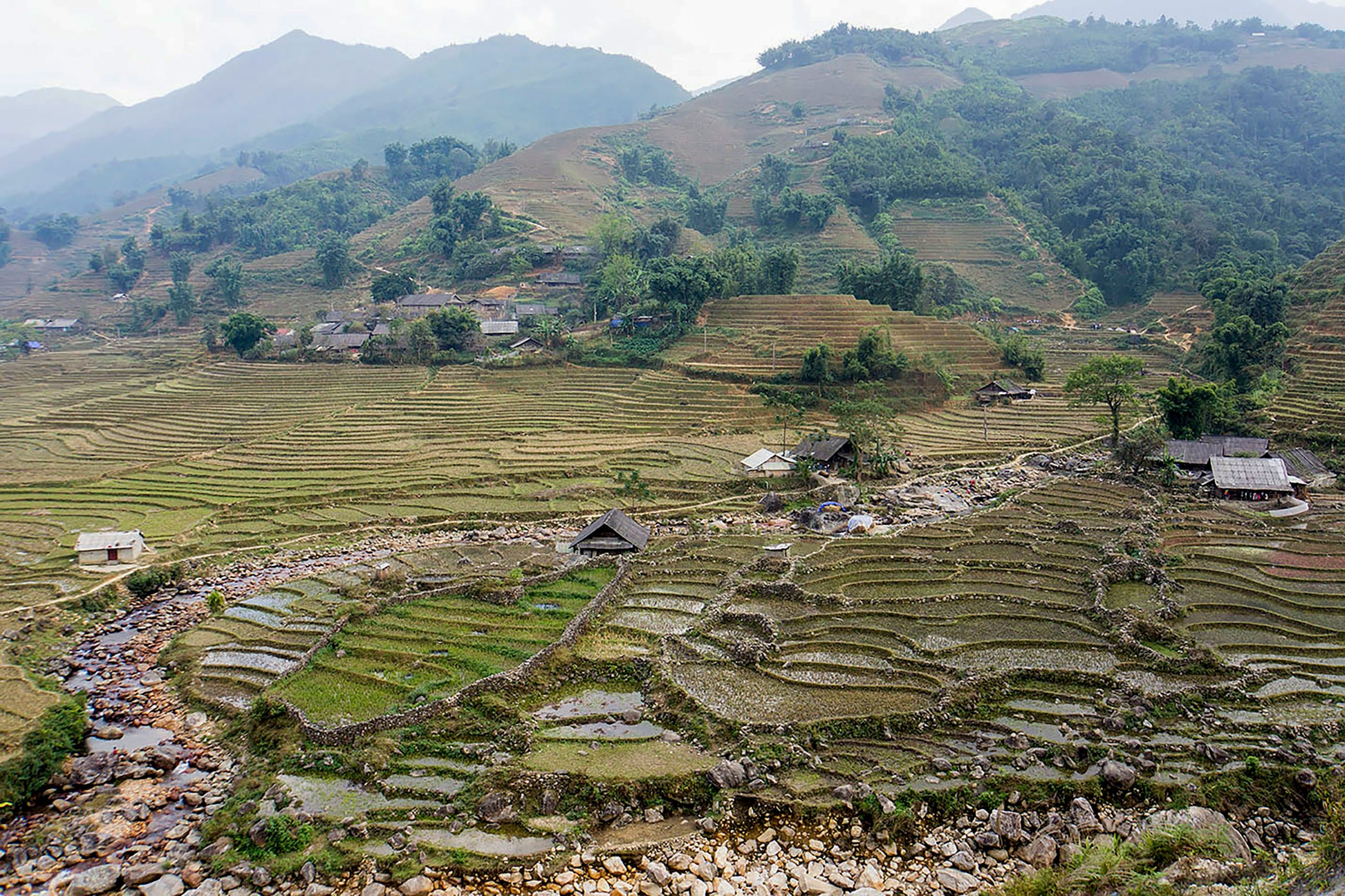
If you do not: Grab exists. Buses exist. Trains exist. Hiring a driver for a day in the Mekong Delta cost me less than a bad decision on an unfamiliar clutch. International driving permits, local insurance rules, and what your travel insurance actually covers for two-wheel accidents — read those before you hand over a deposit. The rice terraces will still be there if you arrive in a car.
8. Tet will quietly delete your itinerary
Lunar New Year (Tet) usually falls in late January or February. For a week, and sometimes longer around it, family comes first. Shops close. Trains and flights fill months ahead. Tourist restaurants stay open; the Vietnam you came for — markets at dawn, neighborhood pho, the ordinary rhythm — goes on pause.
If your dates land on Tet, book transport and hotels early or shift the trip. I am not saying avoid Vietnam then. I am saying do not discover Tet on the morning your favorite coffee stall has a steel shutter down and a handwritten note you cannot read.
9. The Mekong is not a half-day checkbox from Saigon
A standard Delta day tour packs floating markets, coconut candy, and a boat ride into a schedule that feels like a conveyor belt. The Delta itself — canals, orchard paths, lunch in someone's home, the slow heat off the water — needs room to breathe.
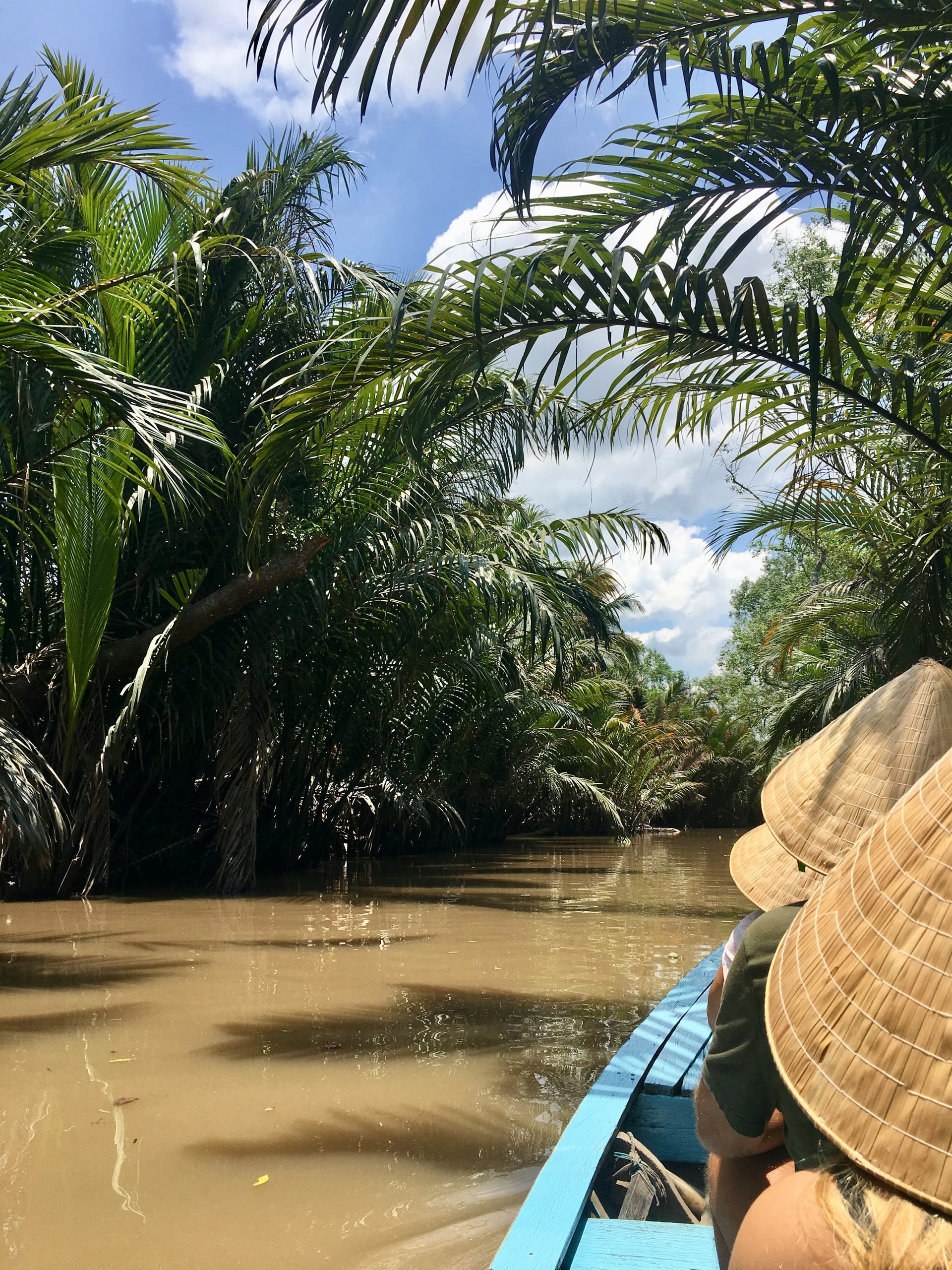
Can Tho overnight is the version I would repeat. Early morning on the water beats a midday photo stop. If you only have one free day from Saigon, spend it in the city: coffee on a low stool in District 3, the War Remnants Museum if that history matters to you, street food after dark. The Delta will wait for a trip that gives it two nights.
10. The best hours are the ones before the tour buses wake up
This is the through-line. Hanoi's Old Quarter at 6 a.m. belongs to pho stalls and delivery carts. Hoan Kiem Lake has tai chi instead of matching tour hats. Hoi An's lantern streets are calmer before sunset tours arrive. Ben Thanh Market in Saigon still functions as a market if you go at dawn; by mid-morning it is souvenir theater.
You do not need to be a martyr about mornings. You need one or two of them. Vietnam's cities are loud by design. The quiet is temporary and local, and it is when the place makes the most sense.
Vietnam does not need you to optimize it. It needs you to stop treating every famous name as mandatory.
What I would actually do with two weeks
North-heavy: Hanoi five nights, overnight Ha Long, Sapa or Ninh Binh, fly home from Hanoi. Center-heavy: Da Nang or Hoi An as a base, Hue as a side trip, skip the full north–south sprint. South-heavy: Saigon four nights, Mekong two, beach day if you need salt water, done.
What I would cut without guilt: water puppet shows priced for coach groups, Train Street if it is crowded and tense when you arrive, Bui Vien after one curious walk-through, any tour that promises "Vietnam in a day."
Bring a packable daypack. Download Grab before you land. Learn a few words — cảm ơn (thank you) goes further than you think. Then get out of the way of the scooters, sit down on a plastic stool, and let the broth show up before you do.
One more thing guides sand down: you will be wrong about something. Wrong about how long the walk takes in the heat. Wrong about which neighborhood feels right after dark. Wrong about whether you wanted the overnight train. That is not failure. That is the country teaching you its own map. Adjust, eat something good, and keep going.
Vietnam is not hard. It is specific. Know that before you go, and the trip stops feeling like a test you are failing in traffic.